
Cardinal Climber: A Striking Vine with Fiery Blooms

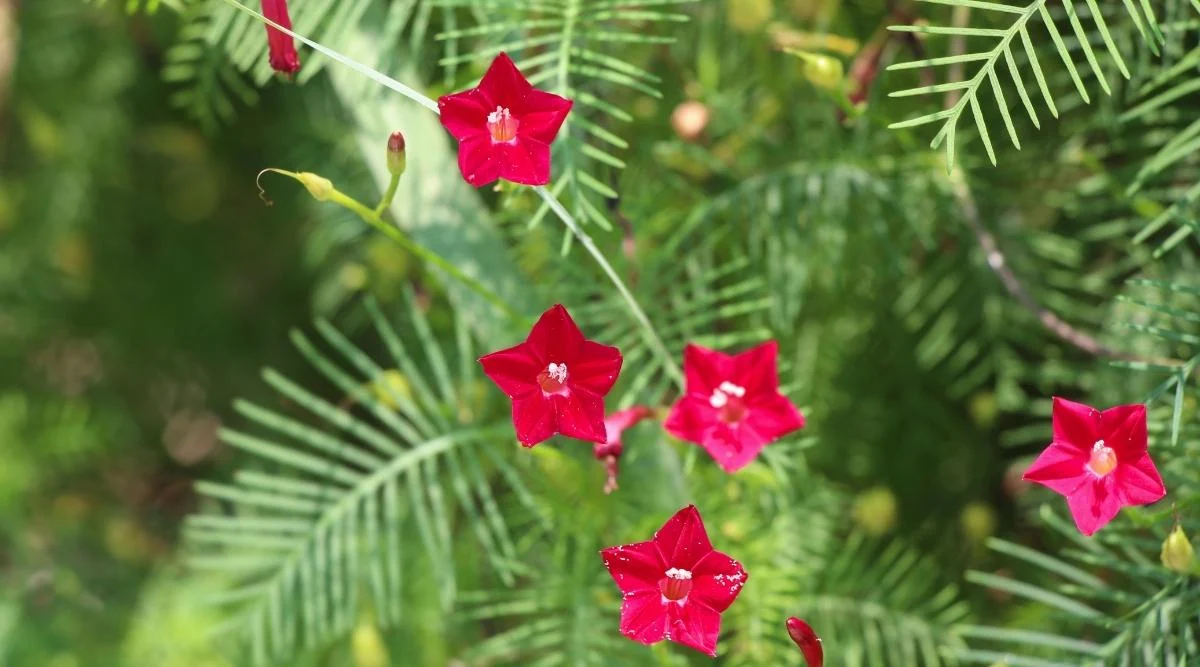
kfoodfair2015.com – The Cardinal Climber (Ipomoea × multifida) is a vibrant, fast-growing vine known for its stunning red, trumpet-shaped flowers and delicate, fern-like foliage. A hybrid between the Cypress Vine and Scarlet Morning Glory, this plant is a favorite among gardeners for its eye-catching beauty and ability to attract hummingbirds and butterflies. Whether adorning trellises, fences, or garden arches, Cardinal Climber brings a splash of fiery color and graceful greenery to any garden space.

Botanical Description

Cardinal Climber is an annual vine that can grow up to 10 to 15 feet in a single season, making it perfect for quickly covering vertical structures. Its leaves are deeply lobed and feathery, giving the plant a delicate and airy appearance. The vine’s flowers are its most striking feature: small, tubular, bright red blooms that resemble miniature trumpets. These flowers are about 1 to 2 inches in length and appear from mid-summer through early fall, creating a long-lasting display of bold color.

The vivid red flowers make the Cardinal Climber especially attractive to hummingbirds, which are drawn to its nectar-filled blooms.

Habitat and Growth Conditions

Native to tropical and subtropical regions, Cardinal Climber thrives in warm climates with plenty of sunlight. It prefers full sun but can tolerate partial shade, although blooming may be reduced in lower light conditions. The vine grows best in well-drained, moderately fertile soil and can be grown in USDA zones 10 to 11 as a perennial, while it is treated as an annual in cooler regions.

Since the Cardinal Climber is a vigorous grower, it’s ideal for covering trellises, fences, pergolas, or garden arches, where it can climb and create a striking vertical display. It can also be used as a ground cover in sunny areas where it can spread freely.

Ecological Importance

The Cardinal Climber plays an important role in attracting pollinators such as hummingbirds, butterflies, and bees. Its vibrant red flowers are a magnet for hummingbirds in particular, providing them with a rich source of nectar throughout the growing season. This makes it an excellent choice for gardeners who want to create a pollinator-friendly garden while adding vibrant color and vertical interest.

Cultivation and Care

Cardinal Climber is relatively easy to grow from seeds, making it an accessible plant for gardeners of all skill levels. For best results, start seeds indoors 4 to 6 weeks before the last frost or sow them directly in the garden once the soil has warmed. To improve germination, gently nick the seed coat or soak the seeds in warm water for a few hours before planting.

Once established, Cardinal Climber requires minimal care. It should be watered regularly, especially during hot, dry periods, but be careful not to overwater, as it prefers well-drained soil. Fertilizing with a balanced, slow-release fertilizer every few weeks during the growing season will promote healthy growth and abundant blooms.

The vine needs support to grow, so it’s essential to provide a trellis, fence, or other structure for it to climb. As the plant grows, gently guide its tendrils toward the support. Pruning is generally not required, but you can trim the vine to control its size or encourage bushier growth.

Ornamental Uses

Cardinal Climber is often used as a vertical accent in gardens, making it an excellent choice for trellises, fences, or arbors. Its bright red flowers add a striking contrast when grown alongside other vining plants with different flower colors or foliage textures. In small spaces or container gardens, Cardinal Climber can be trained up stakes or obelisks, bringing a bold splash of color to patios and balconies.

When allowed to climb over arbors or pergolas, the vine creates a natural canopy of greenery and red blooms, offering shade and an attractive focal point in the garden. Its vigorous growth and ability to cover vertical structures make it a popular choice for quickly adding privacy or filling in bare garden spaces.

Conclusion

The Cardinal Climber is a show-stopping vine that combines vibrant red flowers with delicate, lacy foliage, creating a striking visual display in any garden. Its ability to attract pollinators, including hummingbirds and butterflies, adds even more appeal for gardeners looking to support local wildlife. Whether climbing over trellises, fences, or pergolas, this vigorous, low-maintenance plant is a must-have for anyone seeking to add vertical interest and bold color to their outdoor spaces.
Alpenrose: The Hardy and Beautiful Alpine Bloom

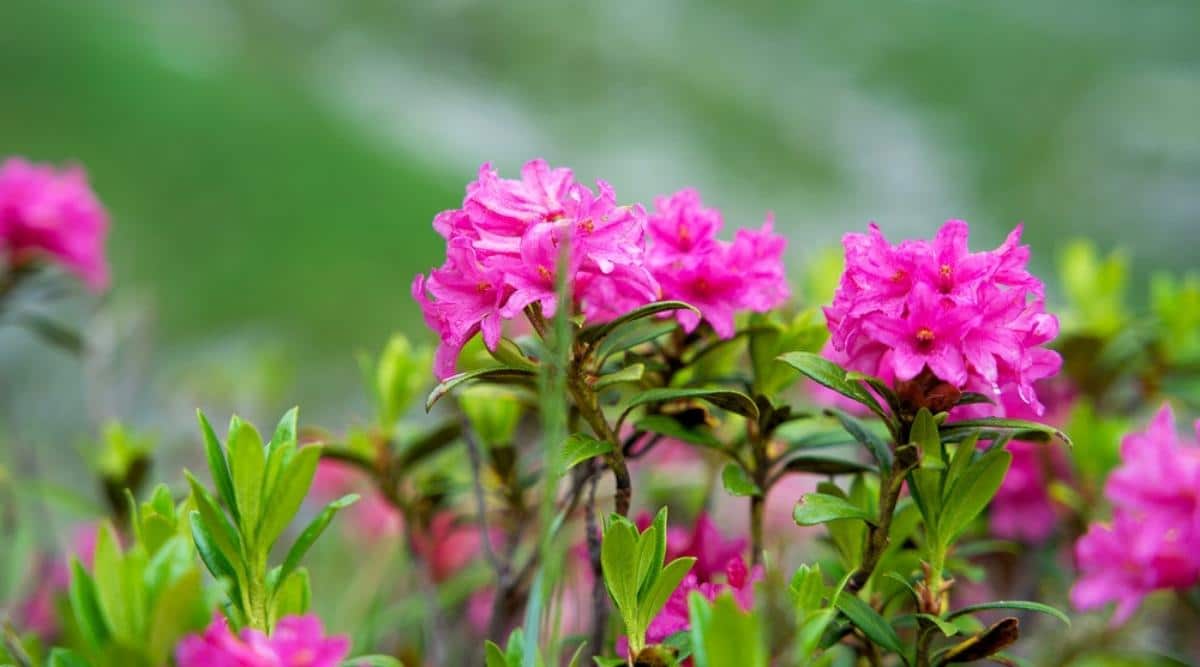
kfoodfair2015.com – The Alpenrose (Rhododendron ferrugineum) is a striking evergreen shrub that produces vibrant, bell-shaped flowers. Found in the mountainous regions of the Alps and the Pyrenees, this plant is well-adapted to cold climates and rocky soils. Alpenrose, with its resilience and vibrant blooms, is a symbol of alpine flora and adds beauty to high-altitude landscapes.

Key Features of the Alpenrose

  1. Stunning Flowers: The Alpenrose is best known for its clusters of bright pink to red flowers, which bloom from late spring to mid-summer. These bell-shaped flowers create a stunning contrast against the dark green, glossy leaves of the shrub. The blooms often form dense carpets in alpine meadows, creating a breathtaking sight against the backdrop of rugged mountain terrain.
  2. Cold and Frost Hardy: One of the standout features of the Alpenrose is its ability to thrive in cold, alpine environments. It is perfectly suited for high altitudes and can withstand harsh, frosty conditions that would challenge many other plants. Its tough nature makes it ideal for gardens in colder climates.
  3. Evergreen Foliage: The Alpenrose is an evergreen shrub, meaning its attractive foliage remains year-round. The leaves are dark green on top and have a rust-colored underside, which gives the plant its species name, ferrugineum (meaning “rusty”). This evergreen quality makes the Alpenrose valuable for providing year-round structure and color to alpine or rock gardens.
  4. Low-Growing Shrub: Alpenrose typically grows low to the ground, reaching a height of 1-3 feet. Its spreading, bushy growth habit makes it ideal for ground cover in rocky or sloped areas. In its natural habitat, it often grows in large clusters, carpeting alpine meadows with bright blooms.
  5. Wildlife Friendly: The Alpenrose attracts various pollinators, including bees and butterflies. It also provides shelter for small wildlife, making it an important plant in alpine ecosystems.

Growing and Caring for Alpenrose

  • Sunlight: Alpenrose thrives in full sun to partial shade. In alpine environments, it often grows in areas that receive a mix of sun and shade due to the surrounding terrain.
  • Soil: This plant prefers acidic, well-drained soils that mimic its natural, rocky habitat. It does well in soil that is slightly moist but not waterlogged. In gardens, it is best to plant Alpenrose in well-drained, sandy, or rocky soil to ensure healthy growth.
  • Watering: Although Alpenrose is drought-tolerant once established, it benefits from regular watering during dry periods, especially in its early growth stages. However, overwatering should be avoided, as it can lead to root rot.
  • Cold Tolerance: Alpenrose is extremely cold-hardy, thriving in USDA zones 5-8. It can survive harsh winters and frosty conditions, making it ideal for cooler regions where other flowering plants may struggle.
  • Pruning and Maintenance: Alpenrose requires little pruning, but occasional trimming can help maintain its shape and encourage denser growth. Deadheading spent flowers may also promote more blooms in the following season.

Uses of Alpenrose in the Garden

Alpenrose is a versatile shrub that can be used in various landscape designs, especially in rock gardens or alpine-themed gardens. Its low-growing habit and evergreen nature make it perfect for ground cover in sloped or rocky areas. It pairs beautifully with other alpine plants, such as gentians and dwarf conifers, to create a natural, mountain-inspired landscape.

In addition, Alpenrose is ideal for border planting or as part of a mixed shrub bed. Its bright flowers and year-round foliage provide a striking focal point, while its low-maintenance nature makes it a favorite for gardeners looking for resilient, easy-care plants.

Ecological Importance

In its native alpine regions, Alpenrose plays a significant ecological role. It provides food and habitat for pollinators like bees and butterflies, and its dense growth offers shelter for small mammals and birds. Additionally, its root system helps prevent soil erosion on steep slopes, contributing to the stability of mountain ecosystems.

Conclusion

The Alpenrose is a stunning and resilient shrub that thrives in challenging, high-altitude environments. With its vibrant flowers, evergreen foliage, and adaptability to cold climates, it is a prized plant for alpine and rock gardens. Whether you’re creating a mountainous landscape or looking for a low-maintenance shrub that adds year-round interest to your garden, Alpenrose is an excellent choice that brings both beauty and ecological benefits to any outdoor space.