Takuya Kimura: A Cultural Icon in Japan – Early Life

kfoodfair2015.com – Takuya Kimura is a name synonymous with Japanese entertainment. He has achieved unparalleled success as an actor, singer, and television personality, captivating audiences both domestically and internationally. His influence extends beyond the realm of entertainment, making him a true cultural icon in Japan.   

Early Life and Rise to Fame

Born on November 13, 1972, in Tokyo, Kimura’s journey to stardom began at a young age. He joined Johnny & Associates, a prominent talent agency, at the age of 15. A year later, he was selected to be a member of the boy band SMAP, which would soon become one of the most popular musical groups in Japanese history.   

SMAP’s meteoric rise propelled Kimura into the limelight. Their music topped the charts, and their television appearances garnered massive viewership. However, Kimura’s ambitions extended beyond music. He sought to establish himself as a serious actor, and his dedication and talent soon paid off.

A Stellar Acting Career

Kimura’s acting career took off with his role in the 1996 drama “Long Vacation.” The series, which depicted the lives of two individuals finding love and pursuing their dreams, resonated deeply with audiences. Kimura’s portrayal of a talented but struggling musician earned him widespread acclaim and solidified his status as a leading man.

Following “Long Vacation,” Kimura starred in a string of successful dramas, including “Beautiful Life” (2000) and the “HERO” series (2001, 2007, 2014, 2015). These roles showcased his versatility and ability to connect with viewers on an emotional level. His portrayal of a unconventional prosecutor in “HERO” became particularly iconic, inspiring a generation of aspiring lawyers.

A Style Icon and Cultural Influence

Beyond his acting and singing career, Kimura has also become a style icon. His fashion choices are closely followed by fans and have influenced trends in Japan. He has also been a highly sought-after endorser for numerous brands, further solidifying his status as a cultural icon.   

Kimura’s influence extends beyond Japan. He has gained a significant following in Asia, particularly in China and South Korea. His popularity has contributed to the global recognition of Japanese entertainment and culture.

A Lasting Legacy

Takuya Kimura’s impact on the Japanese entertainment industry is undeniable. His contributions as an actor, singer, and cultural icon have left an indelible mark on the nation. As he continues to pursue his career, there is no doubt that he will remain a beloved figure and a source of inspiration for generations to come.
The Impact of Buddhism on Asian Societies

kfoodfair2015.com – Buddhism, one of the world’s oldest religions, has deeply influenced the cultural, social, and political landscapes of Asian societies. Originating in India in the 5th century BCE, Buddhism spread across Asia, shaping civilizations and leaving a lasting legacy that still resonates today.

Cultural Influence

Buddhism has profoundly impacted the art, architecture, and literature of Asia. Temples and stupas, such as the iconic Borobudur in Indonesia and the Mahabodhi Temple in India, reflect the sophisticated architectural styles influenced by Buddhist teachings. Buddhist art, with its intricate sculptures and paintings, captures the essence of spiritual themes and narratives from the life of Siddhartha Gautama, the Buddha.

Social Influence

Buddhism has played a crucial role in shaping social structures and practices in Asian societies. The emphasis on ethics, compassion, and non-violence influenced the social fabric of countries like Sri Lanka, Thailand, and Myanmar. Buddhist monastic communities have been pivotal in providing education and social services, fostering a sense of community and moral responsibility.

Political Influence

Historically, Buddhism has also influenced political systems in Asia. The concept of “Dharma Raja” or righteous rule, where rulers are seen as embodying the Buddhist ideals of justice and morality, has shaped governance, notably in ancient and medieval Indian kingdoms, as well as in the Tibetan government-in-exile led by the Dalai Lama.

Modern Challenges and Adaptations

In the contemporary era, Buddhism faces challenges such as modernization, globalization, and political conflicts. However, it continues to adapt and influence modern Asian societies by promoting peace, mindfulness, and ethical living. The rise of Buddhist modernism, which seeks to reconcile traditional beliefs with contemporary issues, highlights Buddhism’s ongoing relevance.

Conclusion

Buddhism’s impact on Asian societies is profound and multifaceted. From cultural and social influences to political ideologies, Buddhism has shaped the identity of Asian nations and continues to inspire millions worldwide. As it navigates modern challenges, Buddhism remains a vital force in promoting harmony and understanding in an ever-changing world.

Qatar’s Cultural Heritage and Traditions

kfoodfair2015.com – Qatar, a small peninsula nation in the Middle East, boasts a rich cultural heritage and a tapestry of traditions that reflect its history, values, and way of life. From its Bedouin roots to its modern-day achievements, Qatar’s culture is a blend of tradition and innovation, deeply rooted in Islamic principles and Arab customs.

Historical Background

Qatar’s cultural heritage is deeply intertwined with its history. For centuries, the region was inhabited by nomadic Bedouin tribes who roamed the desert, living off the land and raising livestock. The discovery of oil in the mid-20th century transformed Qatar’s economy and society, but despite rapid modernization, the country has managed to preserve its cultural traditions.

Traditional Clothing

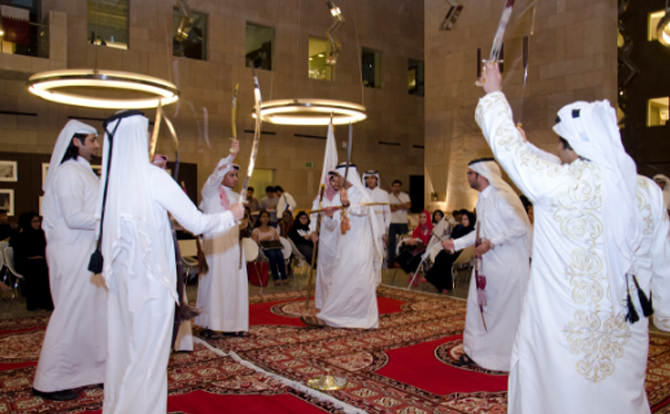
One of the most visible aspects of Qatari culture is traditional clothing. Men wear the “thawb,” a long white tunic, often accompanied by a “ghutra,” a headdress held in place by a black cord called an “egal.” Women traditionally wear the “abaya,” a long black cloak, and cover their hair with a scarf. These garments are not only practical in the desert climate but also symbolize modesty and respect.

Cuisine

Qatari cuisine is a reflection of the country’s history and its interactions with other cultures. Traditional dishes include “machboos,” a mixed rice dish with meat or fish; “thareed,” a bread and lamb stew; and “madrooba,” a yogurt-based dish. Dates, a staple food in the Arab world, are also a significant part of Qatari cuisine.

Festivals and Celebrations

Qatar’s cultural calendar is filled with festivals and celebrations that highlight its Islamic heritage and Arab traditions. The holy month of Ramadan is observed with fasting, prayer, and nightly gatherings for communal meals known as “iftar.” Eid al-Fitr, which marks the end of Ramadan, is celebrated with feasts, gifts, and family gatherings. Other significant events include National Day, which commemorates the founding of the country, and various cultural festivals that showcase Qatari arts, music, and crafts.

Arts and Crafts

Qatari art and crafts are a testament to the country’s cultural heritage. Traditional crafts include “sadu,” the weaving of intricate patterns on fabrics and carpets; “tarsheeh,” the art of inlaying wood with mother-of-pearl; and “khatt al-arab,” or Arabic calligraphy. These crafts are not only preserved but also promoted through cultural institutions and events.

Modern Qatar and Cultural Preservation

Despite rapid modernization, Qatar has made significant efforts to preserve its cultural heritage. The Qatar Museums Authority, established in 2005, is dedicated to promoting the country’s cultural heritage through museums, galleries, and public art projects. The National Library of Qatar also plays a crucial role in preserving historical documents and promoting literacy and cultural education.

Conclusion

Qatar’s cultural heritage and traditions are a source of pride and identity for its people. From traditional clothing and cuisine to festivals and crafts, these elements reflect the country’s deep-rooted values and its ability to adapt while preserving its past. As Qatar continues to develop and open up to the world, its commitment to cultural preservation ensures that its rich heritage will be celebrated and passed down for generations to come.

A Cultural Exploration: Celebrating New Year’s Day in Myanmar

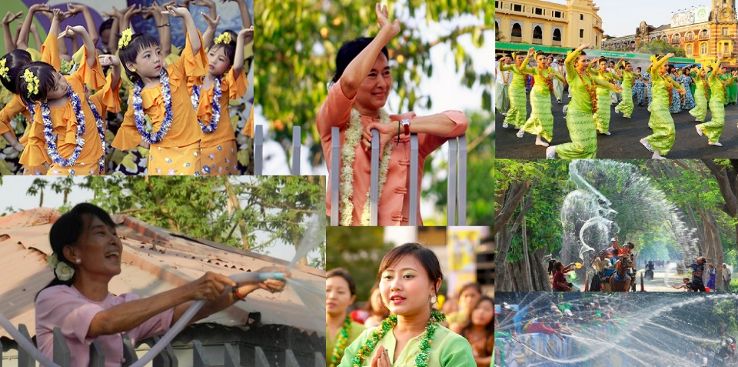
kfoodfair2015.com – New Year’s Day in Myanmar, like in many other countries, is celebrated with great enthusiasm and cultural significance. Officially recognized on January 1st, this day marks the beginning of the Gregorian calendar year and is an occasion for both public and private festivities. However, it’s important to note that Myanmar also has its own traditional New Year, known as the Burmese New Year or Thingyan, which falls in April and is celebrated according to the Burmese calendar.

Traditional vs. Gregorian New Year Celebrations

While the Gregorian New Year’s Day is observed with modern festivities, the Burmese New Year is steeped in ancient traditions. The Gregorian New Year is often celebrated with public events, fireworks, and family gatherings, reflecting a blend of Western influences and local customs. In contrast, the Burmese New Year is marked by water festivals, parades, and religious observances, showcasing the deep-rooted cultural practices of the country.

Public Celebrations and Events

On New Year’s Day, cities across Myanmar come alive with parades, concerts, and other public events. The capital, Naypyidaw, and major urban centers like Yangon and Mandalay host official celebrations, including flag-raising ceremonies and performances by local artists. Families and friends gather in public spaces to enjoy the festivities, often accompanied by traditional foods and music.

Family Traditions and Customs

For many Burmese families, New Year’s Day is a time to come together and reflect on the past year while looking forward to the new one. Homes are cleaned and decorated, symbolizing a fresh start. It is also customary to pay respects to elders and seek their blessings for the coming year. Families prepare special meals, and children may receive gifts or money, known as “angpao” in some cultures, to bring good luck.

The Role of Religion in New Year’s Celebrations

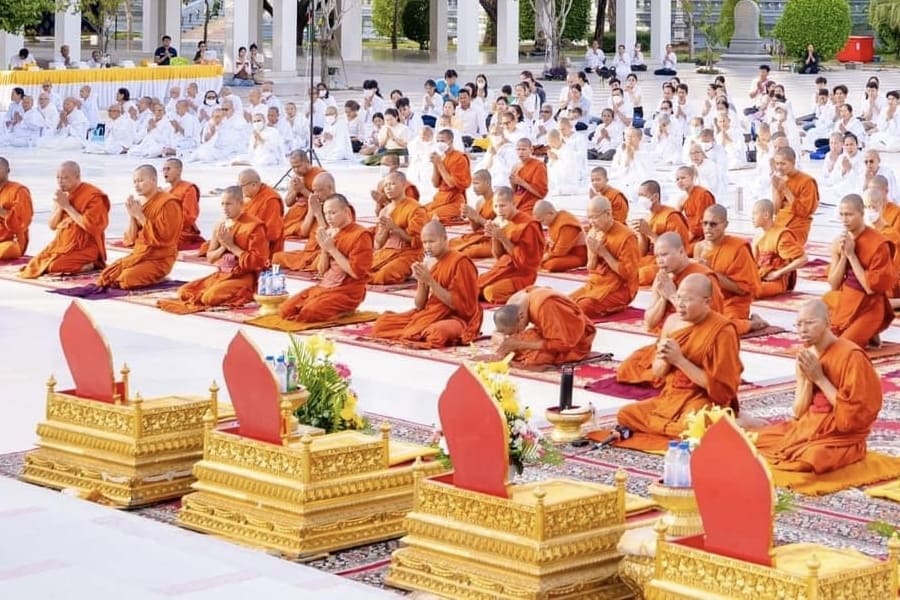
Buddhism plays a significant role in the lives of the Burmese people, and this is evident in their New Year’s traditions. On New Year’s Day, many visit pagodas and monasteries to pay their respects and pray for a prosperous year ahead. Offerings of food, flowers, and candles are common, and some may choose to meditate or listen to sermons from monks.

The Impact of Modernization on New Year’s Celebrations

As Myanmar continues to modernize, New Year’s Day celebrations have begun to incorporate more international elements. This includes the popularity of countdown parties, the exchange of New Year’s greetings via social media, and the adoption of global New Year’s symbols such as the Times Square Ball Drop in New York City. Despite these changes, the core cultural values and traditions remain an integral part of the celebrations.

Preserving Traditions in a Changing World

While embracing modernity, it is crucial for Myanmar to preserve its unique New Year’s traditions. Efforts are made to educate the younger generation about the importance of these customs, ensuring they are passed down through the years. Cultural organizations and community leaders play a vital role in promoting these traditions, encouraging participation in traditional events and practices.

Conclusion: A Blend of Tradition and Modernity

New Year’s Day in Myanmar is a fascinating blend of traditional and modern celebrations. It is a time for reflection, renewal, and rejoicing, with both the Gregorian New Year and the Burmese New Year holding special places in the hearts of the Burmese people. As the country continues to evolve, the celebration of New Year’s Day remains a testament to the enduring spirit and rich cultural heritage of Myanmar.

The Art and Craft of Suriname: A Rich Tapestry of Cultural Heritage

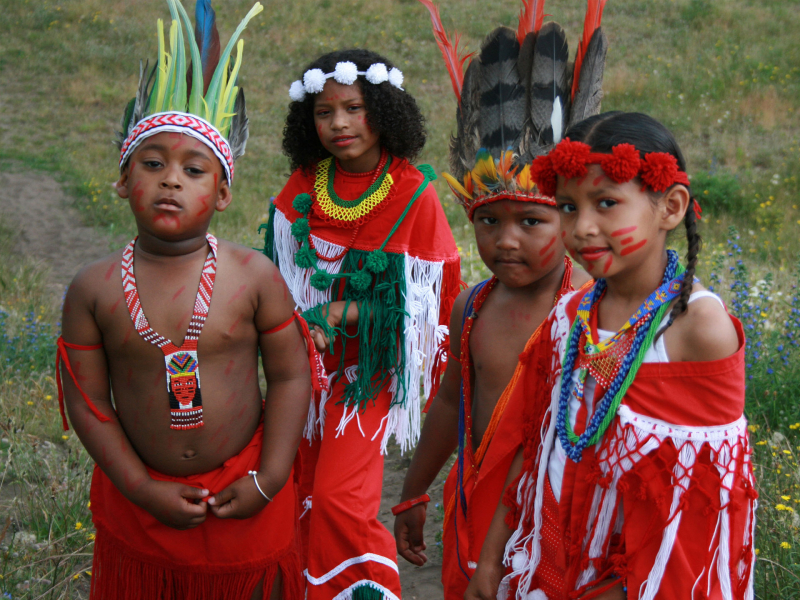
kfoodfair2015.com – Suriname, a small country on the northeastern coast of South America, is a melting pot of cultures, each contributing to a vibrant and diverse artistic landscape. The art and craft of Suriname are deeply rooted in the country’s history, reflecting the influences of indigenous peoples, African slaves, Indian indentured laborers, Javanese immigrants, and European colonists. This tapestry of cultural influences has given rise to a unique artistic tradition that is both rich and complex.

Indigenous Art: The Foundation of Surinamese Craft

The indigenous peoples of Suriname, such as the Arawak, Carib, and Wayana, have a long history of creating art that is closely tied to their spiritual beliefs and daily lives. Traditional crafts include wood carvings, basket weaving, and pottery, often adorned with intricate designs that hold symbolic meaning. These art forms are not only aesthetically pleasing but also serve functional purposes within the community.

The Influence of African Heritage

The African influence on Surinamese art is profound, particularly in the realm of music and dance. Maroon communities, descendants of escaped slaves, have preserved their African traditions through ceremonies and rituals that incorporate drumming, singing, and storytelling. The craft of making traditional musical instruments, such as the baká drum, is a vital part of Surinamese cultural heritage.

The Impact of Indian and Javanese Immigrants

Indian and Javanese immigrants brought with them their own artistic traditions, which have since become integral to Surinamese culture. Indian artisans are known for their intricate textile work, including the weaving of saris and the creation of murtis (statues of deities) for Hindu temples. Javanese influence is evident in the batik textiles and the art of wayang puppetry, which has been adapted to tell Surinamese stories.

Contemporary Surinamese Art

In recent years, Surinamese artists have been exploring new mediums and themes, blending traditional techniques with modern influences. This fusion has led to a dynamic art scene that includes painting, sculpture, digital media, and performance art. Artists often use their work to address social and political issues, while also celebrating the multicultural identity of Suriname.

Preserving the Artistic Heritage

Efforts to preserve and promote the art and craft of Suriname are ongoing. Cultural festivals, museums, and workshops play a crucial role in educating both locals and visitors about the country’s rich artistic heritage. Additionally, the government and private organizations support artists and artisans, ensuring that the traditions of Suriname continue to thrive and evolve.

In conclusion, the art and craft of Suriname are a testament to the country’s diverse cultural influences and the resilience of its people. Through the fusion of traditional techniques and contemporary expressions, Surinamese artists continue to create works that are both beautiful and meaningful, reflecting the complex tapestry of their cultural heritage.