

How to Use Color Effectively: Color Theory in Design

kfoodfair2015.com – Color theory is a fundamental aspect of design that helps create visually appealing and impactful designs. It involves understanding the different properties of colors, such as hue, saturation, and value, and how they interact with each other to achieve specific effects. Here’s a comprehensive guide on how to use color effectively in your designs.

Understanding the Basics of Color Theory

Color theory is the study of how colors interact with each other and how they are perceived by the human eye. It involves understanding the different properties of colors, such as hue (the name of a color), saturation (the intensity or purity of a color), and value (the lightness or darkness of a color).

The color wheel is a visual representation of the relationships between colors. It consists of primary colors (red, blue, and yellow), secondary colors (orange, green, and violet), and tertiary colors (mixtures of primary and secondary colors).

Choosing the Right Color Palette

Choosing the right color palette is crucial for creating a harmonious and visually appealing design. Here are some guidelines to help you select effective color schemes:

  • Monochromatic Color Schemes: These use variations of a single color by adjusting its saturation and value. They create a clean and sophisticated look.
  • Analogous Color Schemes: These use colors that are next to each other on the color wheel. They create a cohesive and harmonious palette.
  • Complementary Color Schemes: These involve using colors that are opposite each other on the color wheel. They provide high contrast and can be eye-catching when used effectively.
  • Triadic Color Schemes: These use three colors that are evenly spaced around the color wheel. They create vibrant and balanced compositions.

Emotional Impact of Colors

Colors have the power to evoke emotions and influence perceptions. Different colors can elicit different emotional responses, which can impact a person’s behavior. Here are some general associations with certain colors:

  • Red: Passion, energy, and excitement.
  • Blue: Calmness, trust, and professionalism.
  • Yellow: Happiness, optimism, and energy.
  • Green: Growth, harmony, and balance.
  • Purple: Creativity, luxury, and mystery.
  • Orange: Enthusiasm, creativity, and vitality.
  • Pink: Femininity, sweetness, and romance.
  • Black: Sophistication, power, and elegance.
  • White: Purity, simplicity, and cleanliness.

Practical Applications of Color Theory

Color theory is not just about aesthetics; it’s also about functionality. Here are some practical applications of color theory in design:

  • Branding: Colors play a crucial role in defining a brand’s identity and recognition. Consistent use of color can help build a strong brand image.
  • User Experience (UX): Colors can influence the usability and accessibility of digital products. They help create contrast, which improves the readability and accessibility of interfaces.
  • Emotional Impact: Colors can be used strategically to evoke specific emotions and influence user behavior. For example, using warm colors like red and orange can create a sense of urgency or excitement.

Conclusion

Understanding color theory is essential for effective design. It allows designers to make informed decisions about color selection, ensuring that their designs are not only visually appealing but also functional and emotionally impactful. By mastering the principles of color theory, designers can create designs that resonate with their audience and achieve their desired outcomes.
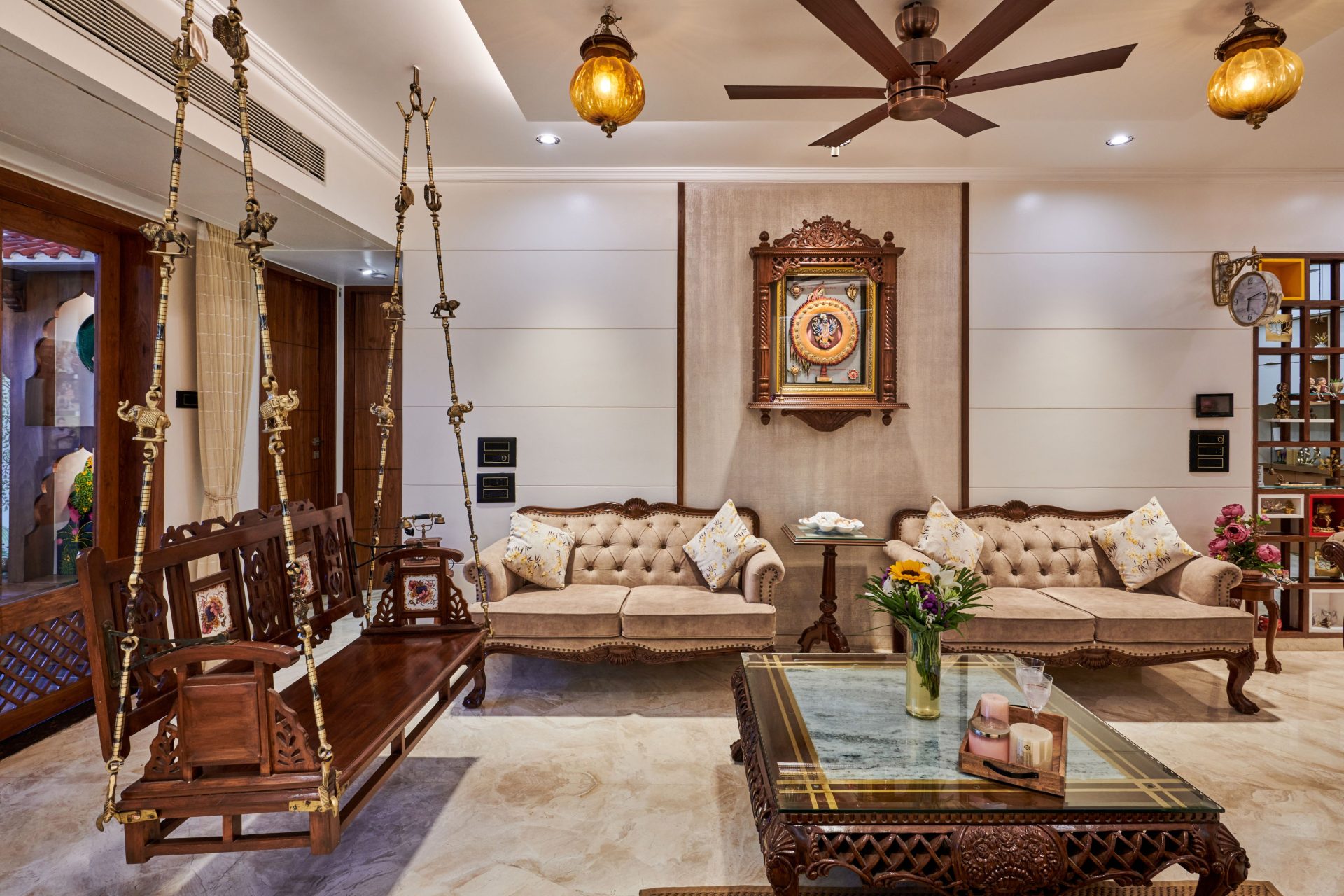
Traditional Designs: Home as a Reflection of Culture

kfoodfair2015.com – Homes are not just physical structures; they are cultural manifestations that reflect the values, aspirations, and aesthetics of the societies that build them. Each traditional home style carries with it the heritage and history of its people, making them more than just places to live but cultural symbols that tell stories of the past and aspirations for the future.

The Significance of Traditional Home Styles

Traditional homes are deeply rooted in the cultural heritage of their respective regions. They are designed to meet the specific needs of the local climate, geography, and lifestyle. These homes are not just functional spaces but also serve as repositories of cultural knowledge and practices.

Cultural Heritage

Traditional homes often reflect the values, aspirations, and aesthetics of the culture and time in which they were built. They are a testament to the ingenuity and creativity of the people who designed and built them. Each element of a traditional home, from the materials used to the layout of the rooms, has a purpose that is deeply connected to the cultural context of its origin.

Adaptation to Local Conditions

One of the most striking aspects of traditional home styles is their adaptation to local conditions. For example, homes in hot climates often feature large windows and open spaces to allow for air circulation, while those in cold climates might have thick walls and small windows to retain heat. This adaptation not only serves practical purposes but also embodies the cultural understanding of the environment.

Traditional Home Styles Around the World

Japanese Homes

Japanese homes, particularly those influenced by the traditional style known as “Ryokan,” are characterized by their simplicity and use of natural materials. These homes often feature tatami mats, sliding doors, and minimalistic decor, reflecting the Japanese aesthetic of “Wabi-Sabi,” which values imperfection and transience.

Moroccan Homes

Moroccan homes, especially those in the medinas, are known for their intricate tile work, vibrant colors, and complex architectural designs. These homes are designed to provide privacy and shade from the sun, and their courtyards and central rooms are designed to maximize airflow and comfort.

American Colonial Homes

American colonial homes, influenced by the architectural styles of the European settlers, are characterized by their symmetrical facades, large central chimneys, and wood construction. These homes reflect the practical needs of the settlers, who often used local materials and designs that were familiar to them.

Indian Homes

Indian homes, particularly those in the northern regions, are known for their use of vibrant colors, intricate carvings, and spacious courtyards. These homes are designed to accommodate large families and often feature multiple levels and complex architectural designs that reflect the rich cultural heritage of India.

Conclusion

Traditional home styles are not just architectural forms but cultural expressions that reflect the values, aspirations, and aesthetics of the societies that build them. Each traditional home style carries with it the heritage and history of its people, making them more than just places to live but cultural symbols that tell stories of the past and aspirations for the future. As we continue to evolve, it is important to preserve these traditional home styles as they provide a link to our cultural past and a source of inspiration for the future.