
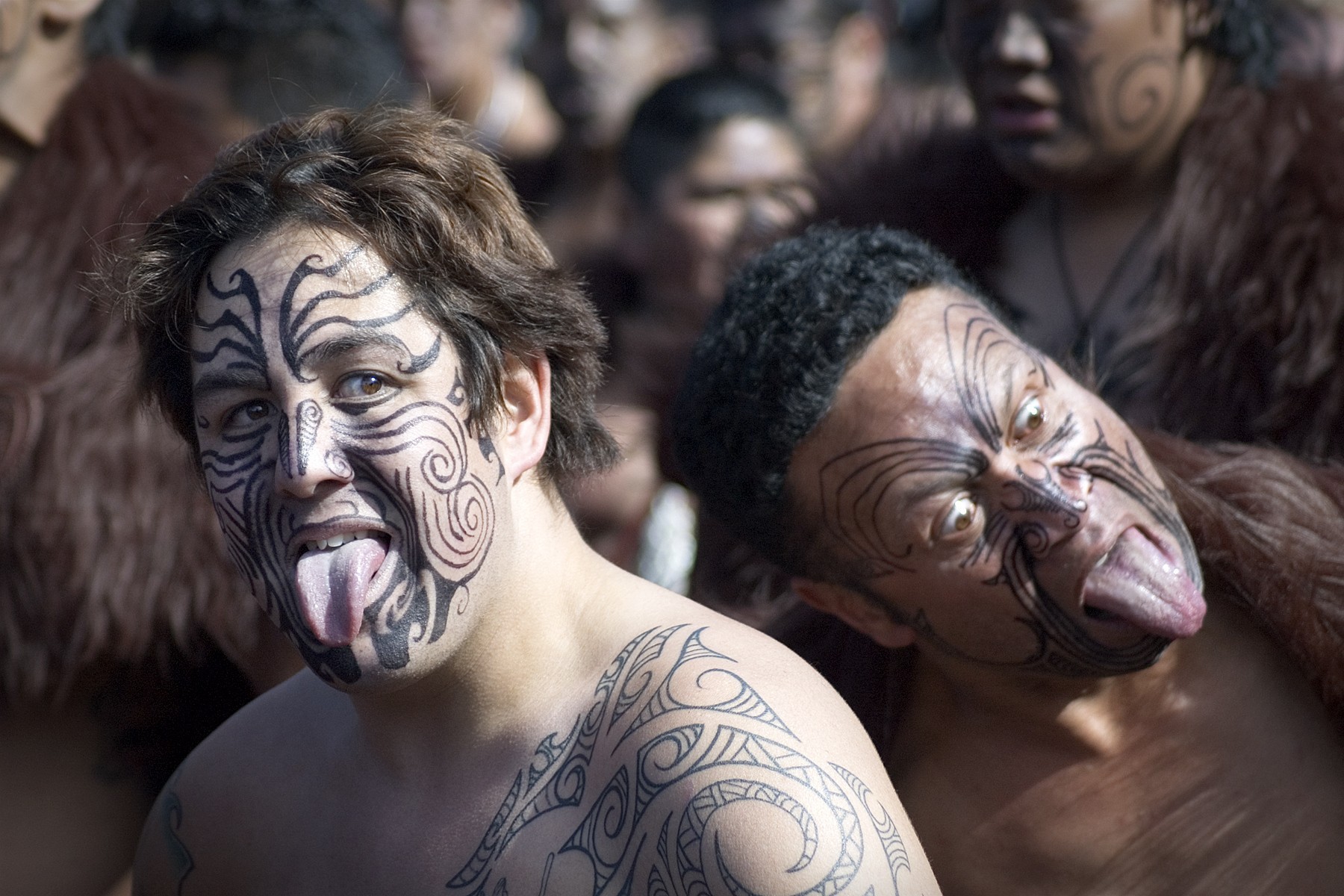
kfoodfair2015.com – Tā moko, the traditional Māori tattoo art, is a powerful expression of cultural identity, ancestral heritage, and personal achievement. Distinctive in its intricate patterns and deep symbolism, tā moko holds profound meaning for those who wear it, marking important milestones in their lives and their connections to their tribes (iwi) and ancestors. Far more than mere decoration, tā moko is an integral part of Māori culture, serving as a visual language that communicates the wearer’s whakapapa (genealogy), social status, and spiritual connection. This article explores the history, symbolism, and cultural significance of tā moko in Māori society.
The Origins of Tā Moko
The practice of tattooing has a long history in Māori culture, with tā moko believed to have originated from Polynesian ancestors who brought tattooing traditions to New Zealand (Aotearoa) over 1,000 years ago. The word tā moko is derived from tā, meaning to strike or tap, and moko, referring to the design or tattoo itself.
In early Māori society, tā moko was a deeply spiritual practice, performed by skilled artisans known as tohunga ta moko (tattoo masters). The art of tattooing was passed down through generations, with intricate patterns and designs being developed to represent the unique identity of the wearer.
Tā moko was applied to various parts of the body, with each area having specific significance. The face, particularly the forehead, chin, and cheeks, was the most important area for tā moko, as it was considered the seat of personal identity and mana (spiritual power or prestige). The practice of tattooing extended beyond the face to include the body, with different areas indicating different social roles and life stages.
The Significance of Tā Moko: Symbols of Identity and Social Status
Tā moko was not a superficial decoration; it was a visual representation of a person’s genealogy, achievements, and place within the social structure. Each design was unique to the individual, conveying their personal history, the history of their family (whānau), and their ancestral connections.
Genealogy (Whakapapa)
One of the most important aspects of tā moko was its connection to whakapapa. Each tattoo design was a visual representation of the wearer’s ancestral lineage, tracing back to the gods and the first humans. Tā moko was a way of honoring one’s ancestors and affirming the wearer’s place within their iwi, hapū, and whānau.
For example, a person with a tā moko might have a design that signifies their descent from a particular ancestor or that acknowledges their connection to a specific tribal history. The patterns and lines of the moko told stories of their genealogy, linking the wearer to their ancestors and to the land.
Social Status and Achievements
Tā moko was also a mark of social status and personal achievement. The intricacy and complexity of a tattoo design often reflected the wearer’s position within their community. Chiefs (rangatira), warriors, and skilled artisans were given more elaborate moko, with designs that were distinctive to their roles and accomplishments.
For example, a warrior who had proven their bravery in battle might be granted special moko patterns that recognized their courage and skill. Similarly, a chief might receive moko as a sign of their leadership and mana. The tattoo served as a public acknowledgment of a person’s achievements and their standing in Māori society.
Rituals and Life Stages
Tā moko was also associated with significant life events, particularly rites of passage. The first moko was typically received during adolescence or early adulthood as part of a ceremonial rite that marked the transition into adulthood and the responsibilities that came with it. For women, receiving moko on the chin and lips was a sign of reaching maturity and becoming a full member of society.
For men, moko was often applied to the face, symbolizing the acquisition of knowledge and wisdom. It marked the transition from boyhood to manhood and was often tied to an individual’s readiness for leadership or warfare. The designs of tā moko thus held personal, social, and spiritual meaning, marking the wearer’s progression through the stages of life.
The Design and Artistry of Tā Moko
Tā moko is characterized by intricate patterns and symbols that are deeply meaningful and often highly individualized. The designs are typically made up of swirling lines, curves, and geometric shapes, with each pattern having its own significance.
Common Elements and Patterns
Some common motifs in tā moko include:
- Koru: A spiral shape that represents new beginnings, growth, and life. It is a symbol of the unfolding fern frond, representing the concept of change and personal development.
- Manawa: Lines that represent the heart or the core of a person. This symbol often indicates a deep connection to one’s ancestry and emotional strength.
- Rauru: A double spiral that represents the journey of life, including birth, growth, and death. It symbolizes the cycles of life and the interconnection of all things.
- Hau: Lines representing the breath of life, connecting individuals to the spiritual realm and to the force of life that flows through all living things.
While certain symbols have general meanings, the overall design of a moko is highly personalized. The tohunga ta moko would work closely with the individual to ensure that the tattoo represented their unique identity, their whakapapa, and their social role. The tattoo artist would often take into consideration the specific shape of the person’s face or body to create a design that was both visually and symbolically appropriate.
Tā Moko and Gender Roles
In traditional Māori society, both men and women wore moko, though the designs and placements varied according to gender. While men were typically tattooed on the face and body, women traditionally wore moko on the chin and lips, a feature that signified maturity, fertility, and the transition into womanhood.
The differences in moko designs also reflected the distinct roles of men and women in Māori society. Men’s moko designs were often more intricate and extensive, reflecting their roles in leadership, war, and public life. Women’s moko, on the other hand, celebrated their roles within the family and community, particularly in the areas of fertility, child-rearing, and family leadership.
The Decline of Tā Moko and Its Revival
During the 19th and early 20th centuries, the practice of tā moko faced significant challenges. The arrival of European colonization, the spread of Christianity, and the introduction of Western cultural norms led to a decline in the practice. The tattooing of faces, in particular, was discouraged, and tā moko became less common among Māori people.
However, in the latter half of the 20th century, there was a resurgence of interest in traditional Māori cultural practices, including the art of tā moko. Māori artists and tattooists, such as tohunga ta moko, began to revive the art form, blending traditional techniques with modern tattooing methods. Today, tā moko is experiencing a renaissance, with many Māori people proudly wearing moko to honor their ancestry, reclaim their heritage, and express their cultural identity.
Tā Moko in Contemporary Māori Culture
In contemporary Māori culture, tā moko continues to be a powerful symbol of identity, heritage, and pride. Many Māori people choose to wear moko as a form of cultural expression, using the tattoos to honor their whakapapa and affirm their place within their community. Tā moko has also become a symbol of resistance to cultural assimilation, as Māori people assert their right to maintain their traditional practices and express their Māori identity in a modern world.
Tattoo artists today often blend traditional Māori designs with contemporary styles, ensuring that tā moko remains relevant while still honoring its deep cultural significance. The art of moko has expanded beyond New Zealand, with Māori tattooing gaining recognition worldwide for its beauty, craftsmanship, and cultural depth.
Conclusion
Tā moko is far more than a tattoo; it is a living, breathing art form that holds deep cultural significance in Māori society. Rooted in the rich traditions of whakapapa and Māori identity, tā moko symbolizes the connection between the wearer, their ancestors, and their cultural heritage. Whether worn as a mark of achievement, a rite of passage, or a tribute to one’s ancestry, tā moko is a powerful expression of pride, identity, and belonging in Māori culture. As tā moko continues to thrive in contemporary society, it remains a lasting testament to the resilience and vibrancy of Māori traditions and the importance of cultural expression.