

The Odd Angry Shot (1979): Vietnam War through Australian Eyes

kfoodfair2015.com – “The Odd Angry Shot” is a 1979 Australian war film that offers a unique perspective on the Vietnam War, focusing on the experiences of Australian soldiers. Written, directed, and produced by Tom Jeffrey, the film is based on the novel by William L. Nagle, who drew from his own experiences in Vietnam. This film stands out as one of the few that explores the Vietnam War from an Australian viewpoint, providing a distinct narrative that diverges from the typical American-centric war films.

Plot and Themes

The film follows a group of Australian troops serving in Vietnam, particularly focusing on a Special Air Service (SAS) corporal named Harry, played by Graham Kennedy. The narrative weaves through their day-to-day experiences, capturing not only the combat scenes but also the camaraderie, humor, and the mundane aspects of military life. The film balances the grim realities of war with lighter, comedic moments, reflecting the soldiers’ attempts to cope with the stress and chaos of their environment.

Character and Development

The characters in “The Odd Angry Shot” are portrayed with depth and authenticity, offering viewers a glimpse into the lives of soldiers who grapple with their roles in a complex conflict. The film highlights the bonds formed between the men, their moments of introspection, and their varying coping mechanisms. Harry and his comrades are depicted as resilient yet vulnerable, showcasing the psychological impact of war on individuals.

Cinematic Style

Tom Jeffrey’s direction in “The Odd Angry Shot” is marked by a focus on realism and authenticity. The film avoids glorifying war, instead presenting an honest depiction of the soldiers’ experiences. The cinematography captures the harsh and often monotonous environment of the Vietnamese jungle, while the script incorporates the Australian vernacular, lending the film an authentic feel.

Cultural and Historical Significance

“The Odd Angry Shot” holds cultural significance as one of the earliest films to address the Vietnam War from an Australian perspective. It provides valuable insight into the contributions and experiences of Australian soldiers, who are often overshadowed in the broader narrative of the Vietnam War. The film also sheds light on the impact of the conflict on Australia, both at home and abroad.

Conclusion

In conclusion, “The Odd Angry Shot” is a noteworthy film that explores the Vietnam War through the lens of Australian soldiers. Its blend of humor and seriousness, combined with authentic portrayals of military life, makes it a compelling and important piece of cinema. By focusing on the Australian experience, the film enriches our understanding of the Vietnam War and highlights the diverse narratives within this tumultuous period.
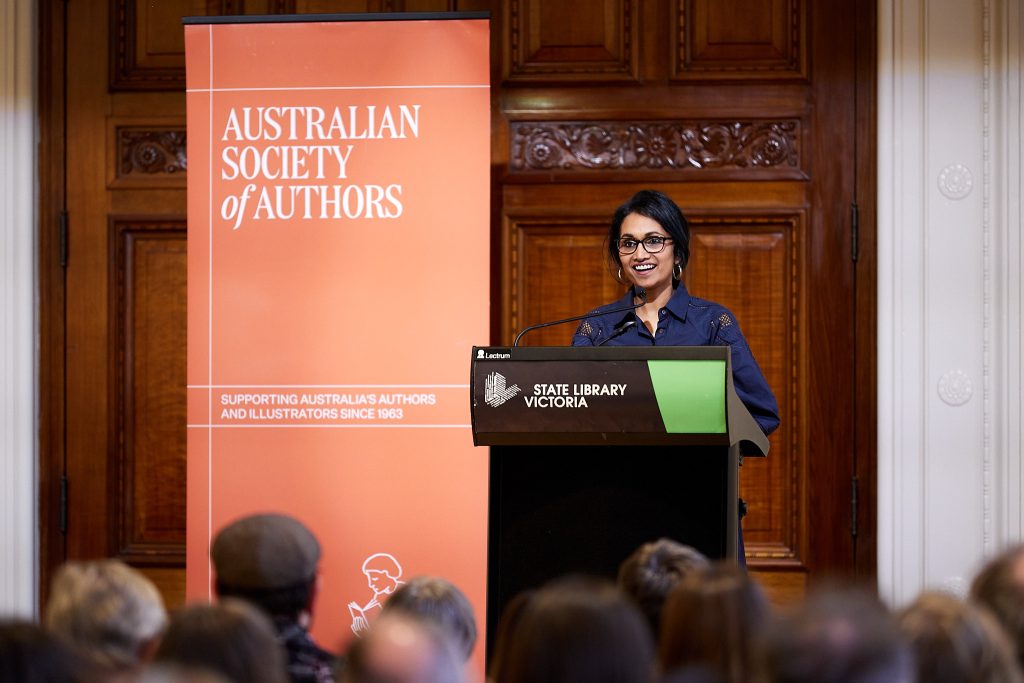
Celebrating Writers and Their Works: Australian Literature

kfoodfair2015.com – Australian literature is a vibrant and diverse field that reflects the country’s unique history, culture, and landscape. From the early works of colonial writers to the contemporary voices of today, Australian writers have captured the imagination of readers around the world. This article celebrates the rich tradition of Australian literature, highlighting key writers and their influential works.

The Early Years: Colonial Literature

The earliest Australian literature was written by European settlers and explorers, who documented their experiences in diaries, letters, and journals. These writings provided valuable insights into the challenges and wonders of the new continent.

One of the most notable early works is “A Journal of a Voyage to New South Wales” by John Hunter, which details the establishment of the colony of New South Wales. Another significant work is “The Recollections of Geoffry Hamlyn” by Henry Kingsley, which offers a glimpse into colonial life in Tasmania.

The Rise of National Identity: The 19th Century

As Australia began to forge its national identity in the 19th century, writers like Henry Lawson and Banjo Paterson emerged, capturing the spirit of the bush and the character of the Australian people. Lawson’s short stories and poems, such as “The Drover’s Wife” and “In the Days When the World Was Wide,” depicted the hardships and isolation of rural life. Paterson, on the other hand, celebrated the larrikin spirit with iconic poems like “The Man from Snowy River” and “Waltzing Matilda,” which later became Australia’s unofficial national anthem.

Modernism and Beyond: The 20th Century

The 20th century saw Australian literature evolve with the influences of modernism and the experiences of war. Writers like Patrick White, who won the Nobel Prize in Literature in 1973, explored complex themes of identity and belonging in works like “Voss” and “The Tree of Man.”

Other notable writers of this era include Christina Stead, whose novel “The Man Who Loved Children” is a powerful exploration of family dynamics, and David Malouf, whose lyrical prose in works like “An Imaginary Life” and “Remembering Babylon” delves into the nature of memory and history.

Contemporary Voices: The 21st Century

Contemporary Australian literature is characterized by its diversity and inclusivity, with writers from various backgrounds bringing their unique perspectives to the literary landscape. Indigenous writers like Alexis Wright and Kim Scott have gained international acclaim for their works that explore themes of identity, history, and reconciliation.

Wright’s novel “Carpentaria” is a magical realist exploration of Indigenous life in northern Australia, while Scott’s “That Deadman Dance” delves into the complexities of the frontier wars and the impact on Indigenous communities.

Other contemporary writers like Helen Garner, with her incisive observations on human nature in “The Children’s Bach” and “Monkey Grip,” and Tim Winton, whose novels such as “Cloudstreet” and “The Riders” explore themes of family, love, and the Australian landscape, continue to shape the face of Australian literature.

Celebrating Australian Literature: Festivals and Awards

Australia celebrates its rich literary tradition through various festivals and awards that recognize the achievements of its writers. The Sydney Writers’ Festival, the Melbourne Writers Festival, and the Adelaide Writers’ Week are just a few of the events that bring together authors and readers to discuss, debate, and celebrate the written word.

The Miles Franklin Award, named after the iconic Australian writer Miles Franklin, is one of the most prestigious literary awards in Australia, recognizing a novel that is of significant literary merit and presents Australian life in any of its phases.

Conclusion

Australian literature is a testament to the country’s cultural depth and the talent of its writers. From the early colonial writings to the contemporary voices of today, Australian literature continues to captivate and inspire readers around the world. As the literary landscape evolves, it remains a vibrant and dynamic reflection of the Australian experience. Celebrating Australian writers and their works is not only a tribute to their artistry but also an exploration of the nation’s soul.