
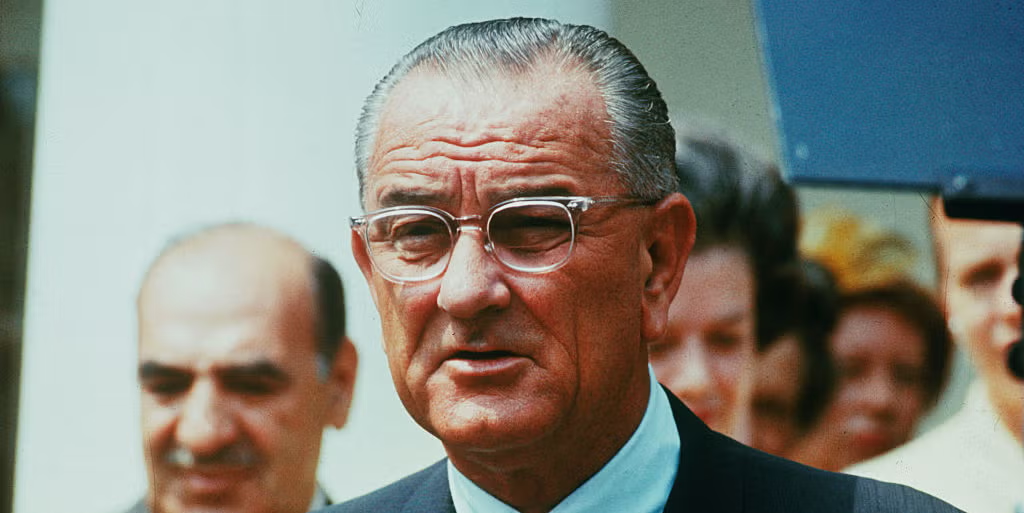
Vietnam: Ujian Terbesar dan Kontroversi Lyndon B. Johnson

Lyndon B. Johnson (LBJ), Presiden Amerika Serikat ke-36, dikenal sebagai salah satu pemimpin yang memiliki dampak besar pada kebijakan sosial dan hak-hak sipil di negaranya. Namun, tidak dapat dipungkiri bahwa keterlibatan Amerika dalam Perang Vietnam selama masa kepemimpinannya merupakan tantangan terbesar yang dihadapi oleh LBJ dan salah satu kontroversi terbesar dalam karier politiknya. Dalam artikel ini, yang diterbitkan di kfoodfair2015.com, kita akan membahas bagaimana Vietnam menjadi ujian terbesar bagi kepemimpinan LBJ dan mengapa kebijakan ini begitu kontroversial.

Latar Belakang Perang Vietnam

1. Keterlibatan Amerika di Vietnam

Perang Vietnam merupakan konflik panjang yang berlangsung dari pertengahan 1950-an hingga pertengahan 1970-an, yang pada awalnya merupakan konflik lokal antara Vietnam Utara yang komunis dan Vietnam Selatan yang didukung oleh Barat. Amerika Serikat mulai terlibat dalam konflik ini sejak tahun 1955, dengan tujuan mencegah penyebaran komunisme di Asia Tenggara, yang dianggap sebagai ancaman besar selama era Perang Dingin.

Namun, keterlibatan Amerika semakin meningkat pada masa kepemimpinan LBJ setelah insiden Teluk Tonkin pada tahun 1964. LBJ meyakini bahwa kegagalan untuk membendung komunisme di Vietnam akan berdampak negatif pada keamanan nasional dan kepentingan Amerika di seluruh dunia.

2. Keputusan Eskalasi oleh LBJ

Setelah insiden Teluk Tonkin, LBJ mengambil langkah besar dengan memperluas keterlibatan Amerika di Vietnam melalui eskalasi militer yang besar-besaran. Pada awalnya, LBJ berharap dapat menyelesaikan konflik ini dengan cepat dan menjaga stabilitas di Asia Tenggara, tetapi kenyataannya menjadi jauh lebih rumit.

Pada puncaknya, lebih dari 500.000 tentara Amerika dikerahkan ke Vietnam, dan pertempuran sengit terjadi di berbagai wilayah negara tersebut. Namun, meskipun ada peningkatan kekuatan militer, perang ini tidak menunjukkan tanda-tanda akan segera berakhir. Vietnam berubah menjadi konflik yang panjang, berdarah, dan tanpa kemenangan yang jelas.

Kontroversi dan Dampak Domestik

1. Kritik dari Dalam Negeri

Seiring berjalannya waktu, Perang Vietnam semakin menjadi isu yang sangat kontroversial di Amerika Serikat. Banyak warga Amerika, terutama generasi muda, mulai mempertanyakan kebijakan LBJ di Vietnam. Demonstrasi anti-perang meledak di seluruh negeri, dan gerakan anti-perang mulai menentang keras keputusan pemerintah untuk melanjutkan keterlibatan militer di sana.

Bagi banyak orang, perang ini terlihat sia-sia, menghabiskan sumber daya besar, serta mengorbankan nyawa ribuan prajurit Amerika tanpa hasil yang jelas. Media juga berperan besar dalam memperlihatkan kekerasan perang secara langsung kepada publik Amerika, yang semakin menimbulkan protes dan kebencian terhadap perang ini.

2. Dampak Politik terhadap LBJ

Kontroversi yang dihasilkan oleh Perang Vietnam tidak hanya berdampak pada moralitas publik, tetapi juga mengganggu karier politik LBJ. Meskipun LBJ berhasil mencapai banyak keberhasilan dalam reformasi sosial seperti pengesahan hak-hak sipil dan program The Great Society, kebijakannya terkait Perang Vietnam sangat merusak popularitasnya.

Pada tahun 1968, dengan meningkatnya tekanan politik dan oposisi dalam negeri, LBJ memutuskan untuk tidak mencalonkan diri lagi sebagai Presiden. Keputusannya untuk tidak melanjutkan karier politik lebih jauh dianggap sebagai akibat langsung dari kegagalan untuk mengakhiri Perang Vietnam.

Warisan Vietnam dan Lyndon B. Johnson

1. Ujian Terberat bagi LBJ

Perang Vietnam tetap menjadi salah satu elemen paling menentukan dalam sejarah kepresidenan Lyndon B. Johnson. Meskipun ia mencapai banyak prestasi di dalam negeri, terutama dalam hak-hak sipil dan reformasi sosial, warisan politiknya sering kali dibayangi oleh kegagalannya menangani Perang Vietnam.

Bagi LBJ, Vietnam adalah ujian terbesar yang dia hadapi sebagai pemimpin. Ia terperangkap dalam dilema moral dan politik yang kompleks, di mana di satu sisi ia ingin menghentikan penyebaran komunisme, sementara di sisi lain ia tidak bisa mengakhiri perang yang tampaknya tanpa akhir. Eskalasi yang dia lakukan justru memperparah situasi dan meningkatkan jumlah korban, baik di pihak Amerika maupun Vietnam.

2. Kontroversi yang Masih Berlanjut

Warisan LBJ terkait Perang Vietnam masih menjadi perdebatan hingga hari ini. Banyak yang berpendapat bahwa LBJ terlalu cepat memutuskan eskalasi militer tanpa memahami sepenuhnya dinamika lokal di Vietnam, sementara yang lain melihatnya sebagai korban dari situasi global yang lebih besar yang melibatkan komunisme dan kapitalisme.

Di kfoodfair2015.com, kita dapat menyimpulkan bahwa Perang Vietnam bukan hanya tantangan besar bagi LBJ, tetapi juga menciptakan luka mendalam dalam sejarah Amerika Serikat. Konflik ini membentuk cara orang memandang perang, pemerintah, dan pengaruh media dalam mengarahkan opini publik. LBJ, sebagai presiden, menghadapi keputusan sulit, dan Vietnam tetap menjadi bab yang paling kontroversial dalam perjalanan politiknya.
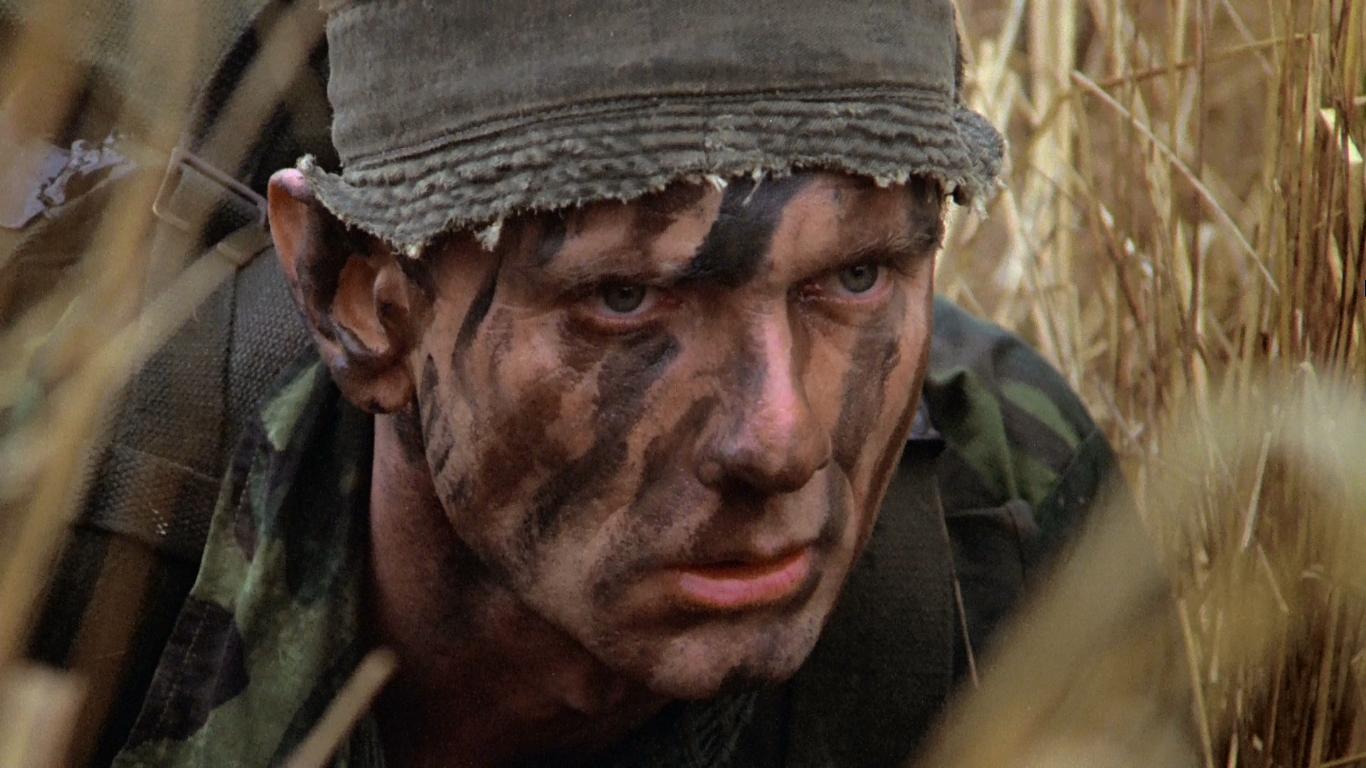
The Odd Angry Shot (1979): Vietnam War through Australian Eyes

kfoodfair2015.com – “The Odd Angry Shot” is a 1979 Australian war film that offers a unique perspective on the Vietnam War, focusing on the experiences of Australian soldiers. Written, directed, and produced by Tom Jeffrey, the film is based on the novel by William L. Nagle, who drew from his own experiences in Vietnam. This film stands out as one of the few that explores the Vietnam War from an Australian viewpoint, providing a distinct narrative that diverges from the typical American-centric war films.

Plot and Themes

The film follows a group of Australian troops serving in Vietnam, particularly focusing on a Special Air Service (SAS) corporal named Harry, played by Graham Kennedy. The narrative weaves through their day-to-day experiences, capturing not only the combat scenes but also the camaraderie, humor, and the mundane aspects of military life. The film balances the grim realities of war with lighter, comedic moments, reflecting the soldiers’ attempts to cope with the stress and chaos of their environment.

Character and Development

The characters in “The Odd Angry Shot” are portrayed with depth and authenticity, offering viewers a glimpse into the lives of soldiers who grapple with their roles in a complex conflict. The film highlights the bonds formed between the men, their moments of introspection, and their varying coping mechanisms. Harry and his comrades are depicted as resilient yet vulnerable, showcasing the psychological impact of war on individuals.

Cinematic Style

Tom Jeffrey’s direction in “The Odd Angry Shot” is marked by a focus on realism and authenticity. The film avoids glorifying war, instead presenting an honest depiction of the soldiers’ experiences. The cinematography captures the harsh and often monotonous environment of the Vietnamese jungle, while the script incorporates the Australian vernacular, lending the film an authentic feel.

Cultural and Historical Significance

“The Odd Angry Shot” holds cultural significance as one of the earliest films to address the Vietnam War from an Australian perspective. It provides valuable insight into the contributions and experiences of Australian soldiers, who are often overshadowed in the broader narrative of the Vietnam War. The film also sheds light on the impact of the conflict on Australia, both at home and abroad.

Conclusion

In conclusion, “The Odd Angry Shot” is a noteworthy film that explores the Vietnam War through the lens of Australian soldiers. Its blend of humor and seriousness, combined with authentic portrayals of military life, makes it a compelling and important piece of cinema. By focusing on the Australian experience, the film enriches our understanding of the Vietnam War and highlights the diverse narratives within this tumultuous period.

Pho: Vietnam’s Aromatic Noodle Soup

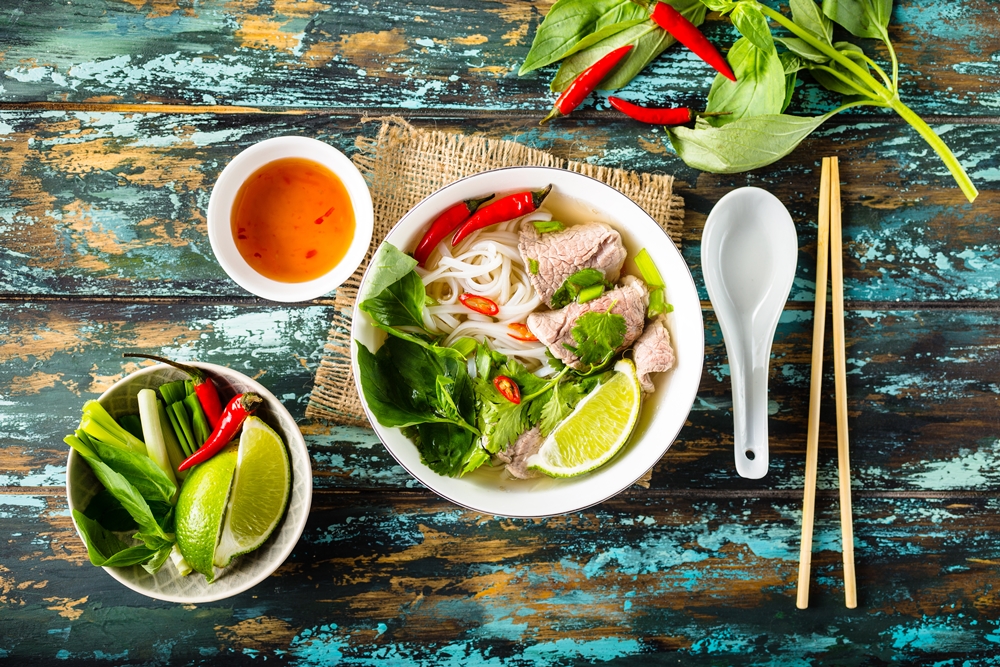
kfoodfair2015.com – Pho, the quintessential Vietnamese noodle soup, is not just a dish; it’s a cultural icon that embodies the soul of Vietnamese cuisine. Originating from the early 20th century, pho has evolved from a simple street food to a beloved comfort meal enjoyed by millions worldwide. Its rich, aromatic broth, paired with tender meat and fresh herbs, offers a symphony of flavors that is both comforting and invigorating.

The History of Pho

The origins of pho are somewhat murky, with various theories suggesting it was influenced by French cuisine during the colonial period or that it evolved from similar soups in northern Vietnam. Regardless of its beginnings, pho quickly became a staple in Vietnamese culinary culture, with each region developing its own variation.

The Making of Pho

At the heart of pho is its broth, which is simmered for hours with beef bones, ginger, and onions to achieve a rich, flavorful base. The broth is then served over rice noodles and accompanied by thinly sliced beef or chicken, depending on the preference. Garnishes such as fresh herbs (cilantro, Thai basil), bean sprouts, lime wedges, and chilies are provided on the side, allowing diners to customize their bowl according to their taste.

Regional Variations

Pho has two main variations: Pho Bac (Northern style) and Pho Nam (Southern style). Northern pho is known for its clear, light broth and the use of white pepper, while Southern pho features a richer, darker broth with more star anise and cinnamon. The choice of meat and the way it’s prepared also vary, with Southern pho often including well-done brisket and tendon, whereas Northern pho might offer rare beef slices that cook in the hot broth.

Pho’s Global Appeal

Pho’s popularity has transcended Vietnam’s borders, becoming a beloved dish in many countries. Its versatility and the balance of flavors make it a favorite among food enthusiasts worldwide. From bustling streets in Hanoi to the vibrant neighborhoods of Saigon, and even in cities like New York, Paris, and Sydney, pho shops are a common sight, each offering their unique take on this classic dish.

The Cultural Significance

Beyond its delicious taste, pho holds significant cultural value. It represents the resilience and adaptability of Vietnamese culture, blending traditional ingredients with foreign influences to create something uniquely Vietnamese. Pho is also a symbol of community and family, often shared among friends and loved ones, fostering a sense of togetherness and warmth.

Conclusion

Pho is more than just a bowl of noodle soup; it’s a testament to the rich culinary heritage of Vietnam. Its aromatic broth, fresh ingredients, and communal spirit encapsulate the essence of Vietnamese cuisine, making it a dish that transcends borders and touches hearts. Whether enjoyed on a chilly morning in Hanoi or a bustling evening in Ho Chi Minh City, pho remains a cherished part of Vietnam’s cultural identity, inviting the world to savor its unique flavors and warmth.