Samurai III: Duel at Ganryu Island (1956)

kfoodfair2015.com – Released in 1956, Samurai III: Duel at Ganryu Island is the climactic conclusion to Hiroshi Inagaki’s iconic Samurai Trilogy, which chronicles the life of Japan’s greatest swordsman, Musashi Miyamoto. This final chapter brings Musashi’s personal and martial journey full circle, as he faces his greatest rival, Sasaki Kojiro, in a legendary duel that has become a cornerstone of samurai lore. A story of mastery, love, and inner peace, Samurai III provides a satisfying and powerful resolution to the life of the warrior-philosopher.

Plot Overview: The Path of Wisdom and the Final Duel

Samurai III begins with Musashi at the height of his skills, having developed into a calm and enlightened warrior. Though his reputation as an undefeated swordsman continues to grow, Musashi seeks a peaceful life and withdraws from the path of constant dueling. He has matured beyond the need to prove his strength, focusing instead on refining his understanding of life and the sword. Despite his efforts to live a quiet existence, he remains haunted by the inevitable confrontation with his long-time rival, Sasaki Kojiro.

Kojiro, an ambitious and skilled swordsman, eagerly seeks a duel with Musashi to establish himself as the greatest swordsman in Japan. Unlike Musashi, who has tempered his skills with wisdom, Kojiro is driven by pride and the desire for fame. The film builds toward their historic duel on Ganryu Island, a confrontation that serves as the culmination of both men’s life journeys.

Themes of Inner Peace and Mastery

Samurai III is as much about Musashi’s spiritual growth as it is about his physical prowess. Throughout the trilogy, Musashi has transformed from a reckless youth into a disciplined and reflective warrior, but in this final film, he fully embraces the philosophy of restraint and inner peace. Musashi’s quest for self-mastery is no longer about defeating opponents but about achieving a deeper understanding of himself and the world around him.

This theme is contrasted with Kojiro’s ambition, which remains rooted in external validation and the desire for dominance. The duel between Musashi and Kojiro thus becomes not just a physical confrontation but a symbolic battle between two opposing ways of life—one focused on inner fulfillment and the other on outward glory.

The film’s meditative tone reflects Musashi’s evolution, with scenes of tranquility and introspection balancing the tension leading up to the final duel. Musashi’s interactions with Otsu, who remains devoted to him despite his focus on his path, also highlight the emotional and personal sacrifices he has made in pursuit of his ideals.

The Duel at Ganryu Island: A Historic Showdown

The final duel between Musashi Miyamoto and Sasaki Kojiro on Ganryu Island is one of the most famous moments in Japanese history and serves as the dramatic climax of the film. The scene is masterfully directed, capturing the tension and significance of the duel. Set on a serene beach at dawn, the quietness of the environment contrasts with the intensity of the duel itself, making it as much a mental and emotional battle as a physical one.

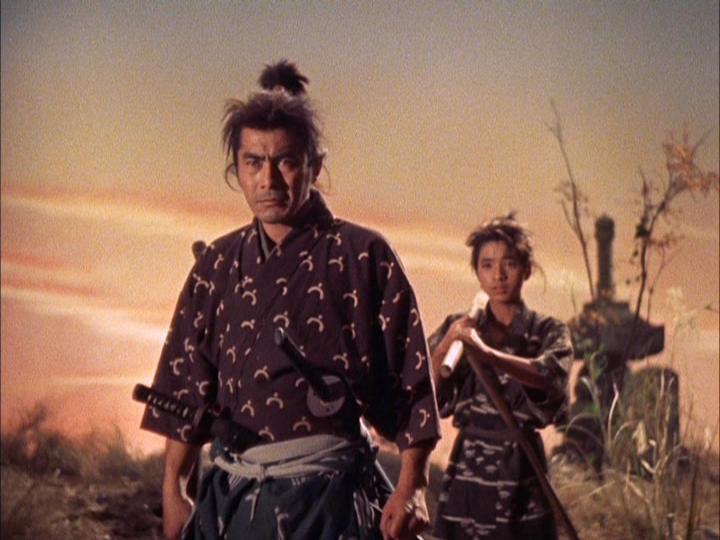
Musashi, wielding a wooden sword carved from a boat oar, uses his strategic mind and calm demeanor to defeat Kojiro, who is armed with his deadly long sword. The battle is swift and decisive, a testament to Musashi’s ability to remain focused and disciplined even in the face of a formidable opponent.

This duel marks the end of Musashi’s long journey as a warrior. With Kojiro defeated, Musashi emerges not only as the greatest swordsman in Japan but also as a man who has mastered both the sword and himself. The duel serves as a poetic resolution to his quest for enlightenment, symbolizing his ultimate victory over ego and ambition.

Toshiro Mifune’s Definitive Musashi

Toshiro Mifune’s portrayal of Musashi Miyamoto reaches its peak in Samurai III. His performance perfectly captures the essence of a man who has transcended his need for violence and conquest, embodying the qualities of a true samurai—strength, humility, and wisdom. Mifune’s restrained and dignified portrayal contrasts with the more fiery characters from the earlier films, showcasing the full arc of Musashi’s character development.

Kaoru Yachigusa also delivers a strong performance as Otsu, whose unrequited love for Musashi adds emotional depth to the film. Otsu’s presence highlights Musashi’s human side, emphasizing the sacrifices he has made in his quest for mastery.

Kojiro, played by Koji Tsuruta, is portrayed as Musashi’s equal in skill but lacking in the wisdom and serenity that Musashi has gained. Tsuruta’s performance brings out the arrogance and pride in Kojiro, making him a compelling antagonist and the perfect foil to Musashi’s calm and collected demeanor.

Cinematic Mastery and Legacy

Like its predecessors, Samurai III is visually stunning, with beautiful cinematography that captures the natural beauty of Japan’s landscapes. The final duel, set against the backdrop of the ocean at dawn, is one of the most iconic moments in samurai cinema, blending elegance and tension in a way that has influenced filmmakers around the world.

Samurai III: Duel at Ganryu Island has left an indelible mark on the samurai genre and is widely regarded as one of the greatest samurai films ever made. Its exploration of themes such as honor, discipline, and the quest for enlightenment has resonated with audiences for decades, and it continues to be a reference point for both fans of Japanese cinema and martial arts enthusiasts.

The Samurai Trilogy as a whole remains a landmark in world cinema, and Samurai III provides a fitting and powerful conclusion to Musashi’s journey. The film encapsulates the essence of what it means to live by the sword while also emphasizing the importance of inner peace and wisdom.

Conclusion: A Legendary Finale

Samurai III: Duel at Ganryu Island is the perfect conclusion to the epic saga of Musashi Miyamoto. It brings together all the elements that have defined the trilogy—intense action, deep philosophical reflection, and emotional complexity—while delivering one of the most memorable duels in cinematic history. Musashi’s journey from brash youth to enlightened master is complete, and his legacy as Japan’s greatest swordsman is cemented.

As both an action-packed samurai film and a meditative exploration of personal growth, Samurai III remains a timeless classic that continues to captivate audiences. It is a fitting end to Musashi’s story and a testament to the enduring power of the samurai genre.

Ran (1985): A Epic of Power, Betrayal, and Madness

kfoodfair2015.com – Ran (1985), directed by the legendary Akira Kurosawa, stands as one of the towering achievements of both world cinema and Japanese film history. A loose adaptation of William Shakespeare’s King Lear, Ran reimagines the tale of familial conflict, ambition, and the ravages of war in a visually stunning epic set in feudal Japan. Renowned for its breathtaking cinematography, intricate storytelling, and profound exploration of human nature, Ran is a film that pushes the boundaries of both tragedy and spectacle, cementing Kurosawa’s reputation as a master filmmaker.

The film marks a pivotal moment in Kurosawa’s career, showcasing the director’s deep engagement with both Japanese tradition and Western influences. Ran explores themes of betrayal, madness, and the disintegration of power with a depth and intensity that resonates across cultural and historical boundaries, making it one of the most influential films of the 1980s.

Plot Overview: A Tale of Family, War, and Madness

Set in medieval Japan, Ran follows the story of Hidetora Ichimonji (played by Tatsuya Nakadai), an aging warlord who decides to divide his kingdom among his three sons. The decision to relinquish power to his heirs and retire from the life of warfare is meant to bring peace and prosperity to the family. However, his choice sets in motion a tragic series of events that lead to betrayal, violence, and Hidetora’s eventual descent into madness.

Hidetora’s sons—Taro (Akira Terao), the eldest; Jiro (Jinpachi Nezu), the second; and Saburo (Daisuke Ryu), the youngest—each react differently to their father’s decision. Taro, the eldest, is weak and subservient to his wife, while Jiro is ambitious and ruthless, willing to use any means to claim power. Saburo, the youngest and most honest of the sons, opposes his father’s decision to divide the kingdom, warning him of the consequences, but Hidetora disowns him for his dissent. As Hidetora’s sons vie for power, the family disintegrates, leading to a brutal civil war that mirrors the destruction of the patriarchal structure.

The film’s story spirals into tragedy as Hidetora’s kingdom collapses, and his sons turn against him. The once-great warlord finds himself isolated, losing his mind as the cruelty of his actions and the betrayal of his children take their toll. In a devastating reflection of his earlier decisions, Hidetora is left to confront the emptiness of his ambition and the disintegration of his legacy.

The heart of Ran lies in its exploration of the destructive nature of power, the inevitable unraveling of familial bonds, and the madness that ensues when loyalty and honor are sacrificed in the pursuit of control.

Themes of Power, Betrayal, and Madness

At its core, Ran is an exploration of the corrupting influence of power and the consequences of placing personal ambition above human connection. Hidetora’s decision to divide his kingdom among his sons, driven by a desire to secure a peaceful legacy, quickly unravels as the sons turn against one another. The film presents a world in which loyalty is easily broken, and the pursuit of power leads to the destruction of everything the protagonist holds dear.

The theme of betrayal runs throughout Ran, particularly in the relationships between Hidetora and his sons. The trust Hidetora places in his children is met with cruelty and treachery, as each son pursues his own ambition at the expense of familial love and unity. The destruction of Hidetora’s legacy is emblematic of the broader collapse of traditional values and the fragility of familial bonds.

In addition to betrayal, Ran delves deeply into the theme of madness. Hidetora’s psychological breakdown is portrayed with a haunting intensity as he is consumed by guilt, confusion, and despair. His descent into madness parallels the disintegration of his world, and his journey becomes a metaphor for the consequences of unchecked ambition and the loss of human connection. The film’s stark depiction of his mental collapse is a poignant exploration of the frailty of the human mind under extreme stress and betrayal.

Visual Mastery: Kurosawa’s Epic Cinematic Vision

One of the defining features of Ran is its extraordinary visual style. Kurosawa’s use of color, composition, and landscape is breathtaking, and the film’s grand scale is matched by its intimate emotional core. The director’s collaboration with cinematographer Takao Saito resulted in a striking visual language that elevates the film’s themes and emotional impact.

The use of color in Ran is particularly significant, with each of the three sons symbolized by distinct colors—Taro by red, Jiro by blue, and Saburo by yellow. This visual strategy reinforces the personality and moral qualities of each son, as well as the larger thematic concerns of the film. The contrasting colors also serve to highlight the conflict and discord between the characters, underscoring the fractured nature of the family and the kingdom.

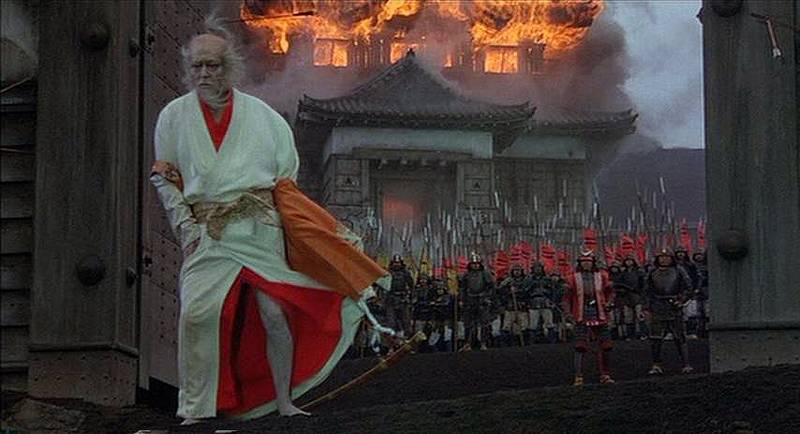
The landscapes of Ran are also a vital component of the film’s visual impact. The battle scenes, particularly the famous siege of Hidetora’s castle, are some of the most visually stunning sequences in cinema. The grandiose use of wide shots, often framed with vast, empty landscapes, emphasizes the isolation of the characters and the futility of their ambitions. The film’s striking imagery—such as the burning castles, the iconic red banners, and the desolate landscapes—creates a visceral sense of the destruction that unfolds as the characters’ actions lead to their downfall.

Kurosawa’s use of traditional Japanese set design and costumes also enhances the film’s epic scale. The grandeur of the court and the army contrasts sharply with the desolation of the battlefield and the characters’ personal decline, creating a visual metaphor for the contrast between power and human fragility.

Legacy and Influence: Kurosawa’s Last Great Masterpiece

Ran was Akira Kurosawa’s final epic, and it marked a high point in his career, both artistically and thematically. Released in 1985, the film was met with widespread critical acclaim and won several international awards, including the Best Foreign Language Film award at the Golden Globe Awards. The film was nominated for an Academy Award for Best Costume Design and was widely praised for its direction, acting, and visual style.

Ran is considered by many to be Kurosawa’s crowning achievement, a work that brings together the director’s passion for Shakespearean tragedy, his love of Japanese history, and his mastery of cinematic technique. The film’s universal themes of power, family, and betrayal transcend the historical and cultural context of the story, resonating with audiences around the world.

In the years since its release, Ran has influenced filmmakers and artists across the globe, particularly those drawn to its epic scale and profound exploration of human nature. The film’s impact can be seen in works that tackle themes of war, power, and familial conflict, including films such as The Last Emperor (1987), The Lion King (1994), and Game of Thrones (2011–2019). Its influence on both Eastern and Western cinema is undeniable, and its lasting legacy as one of the greatest films ever made continues to endure.

Conclusion: A Tragic and Visual Triumph

Ran stands as a monumental achievement in both storytelling and filmmaking. Akira Kurosawa’s ability to adapt Shakespeare’s King Lear to the feudal Japanese setting, while retaining the universal themes of ambition, betrayal, and madness, makes Ran a timeless work of cinema. The film’s visual magnificence, combined with its rich emotional depth, creates a narrative that is both grand in scale and intimate in its portrayal of human suffering.

Ran is a tragic, epic meditation on the folly of power and the fragility of human relationships, and it remains one of the most influential and celebrated films in cinema history.

Love Exposure (2008): A of Love, Religion, and Obsession

kfoodfair2015.com – Love Exposure (2008), directed by Sion Sono, is a provocative and unconventional film that pushes the boundaries of storytelling, exploring themes of love, obsession, religion, and the extremes people will go to for love and personal redemption. Clocking in at nearly four hours, Love Exposure is an epic, audacious work that blends elements of dark comedy, melodrama, and surrealism. The film is known for its uncompromisingly bold narrative choices, as it tackles sensitive and often controversial topics with both absurdity and profound emotional depth.

The film, which became a cult classic, is a wild ride that combines intricate character development with deeply unsettling themes, and its genre-blending approach creates a work that’s as thought-provoking as it is challenging. At its core, Love Exposure is a film about the consequences of love and obsession, and the characters’ search for meaning in a world filled with religious hypocrisy, trauma, and extreme desires.

Plot Overview

Love Exposure follows Yu Honda (played by Takahiro Nishijima), a teenage boy raised in a religious family that strictly adheres to Catholic principles. His father, a priest, is a devout believer, but when Yu’s mother dies, his father becomes emotionally distant, pushing Yu into a state of confusion and rebellion. Seeking to understand love and the nature of sexuality, Yu embarks on a journey filled with bizarre and increasingly extreme events.

Yu becomes involved in a voyeuristic relationship with a mysterious girl, Yoko (played by Hikari Mitsushima), who is a member of a cult that claims to teach “true love.” The cult, led by a charismatic and manipulative leader, takes on a bizarre form of religious devotion, mixing traditional Catholic ideals with deeply personal, often grotesque interpretations of love and sin. As Yu’s obsession with Yoko grows, he finds himself drawn into a series of increasingly outlandish situations involving crime, violence, and extreme religious ideologies.

As Yu navigates this world of obsession, love, and twisted religious beliefs, the film explores his inner turmoil and the complexity of his relationships with those around him. Through its multiple plot twists and unconventional narrative structure, Love Exposure delves into the themes of trauma, repressed desires, and the search for redemption, all while maintaining an element of black humor and surrealism.

Themes: Obsession, Religion, and Love

The Nature of Obsession and Desire

At its core, Love Exposure is a film about obsession. The film portrays characters whose lives are defined by their compulsions—whether it’s Yu’s infatuation with Yoko, the cult’s leader’s obsessive control over his followers, or the extreme lengths to which individuals will go to pursue their desires. The film offers an unflinching look at the destructive nature of unchecked obsession, particularly in the realms of love and sexuality.

Yu’s obsession with Yoko is not merely a romantic pursuit—it is a desperate attempt to fill a void left by his mother’s death and his strained relationship with his father. His journey to understand love becomes distorted and warped, leading him into dangerous territory. This obsessive pursuit of “true love” takes on a deeply unhealthy and often grotesque form, as Yu is willing to subject himself to extreme situations, including sexual humiliation and physical pain, all in the name of fulfilling his idea of love.

The film makes it clear that obsession, when taken to extremes, can destroy not just the individual, but the relationships and lives of those around them. It is a painful and often absurd reflection on how unhealthy attachment and fixation on an ideal can turn destructive.

Religion and Religious Hypocrisy

Religion plays a significant role in Love Exposure, and Sion Sono uses it to explore the relationship between faith, morality, and human desire. The film portrays various forms of religious extremism, from Yu’s father’s stringent Catholicism to the absurd and manipulative practices of the cult led by Yoko.

At its heart, Love Exposure critiques the hypocrisy and contradictions inherent in organized religion. The cult in the film, for instance, claims to teach “true love,” yet it encourages its followers to engage in immoral and manipulative behavior. The film questions the role of religious institutions in shaping personal beliefs and actions, particularly when these institutions exploit individuals’ vulnerabilities or trauma.

Yu’s experience with religion is one of disillusionment—his father’s strict teachings and his community’s ideals force him to confront the gaps between religious doctrine and human nature. The film suggests that religion, while often wielded as a force for moral guidance, can also be a source of manipulation and psychological control, distorting individuals’ understanding of love and morality.

The juxtaposition of religious dogma with sexual obsession and exploitation highlights the absurdity of both in the context of the film. By exploring these themes, Love Exposure critiques the oppressive forces of dogma while also exposing the characters’ vulnerabilities and desires, questioning whether any ideology—religious or otherwise—can truly offer the answers to life’s complex emotional struggles.

Love, Redemption, and Sacrifice

Despite its often dark and absurd tone, Love Exposure also carries themes of redemption and sacrifice. Yu’s journey is one of self-discovery, and as he navigates the chaotic world around him, he learns about his own desires, limitations, and ability to change. His path to redemption is not easy or straightforward, as he must confront the extreme choices he has made and the consequences they carry.

Similarly, the film portrays the concept of sacrifice in several forms. Yu’s sacrifice of his own well-being in pursuit of love mirrors the sacrifices made by other characters throughout the story, highlighting the lengths to which people will go in the name of love, redemption, and personal understanding. However, the film does not present these sacrifices as virtuous or redemptive in the traditional sense—instead, it questions the very notion of sacrifice in the context of unhealthy obsession and self-destruction.

The complex, often tragic relationships in Love Exposure are a testament to the difficult and painful nature of love itself. The film portrays love as something that can be both redemptive and destructive, and in doing so, it challenges the viewer to rethink the true meaning of love and the ways in which people use it to fulfill their needs and desires.

Cinematic Style and Visuals

Sion Sono’s directorial style in Love Exposure is bold, unconventional, and often deliberately jarring. The film’s narrative is nonlinear, shifting between moments of absurd humor, emotional drama, and disturbing violence. Its surreal tone adds to the sense of disorientation, as the film often shifts between reality and fantasy, creating a dreamlike atmosphere that enhances the emotional stakes of the characters’ journeys.

The film’s use of vibrant colors, exaggerated performances, and quirky visual choices also adds to its distinctiveness. The cinematography is dynamic and experimental, employing techniques that enhance the chaotic and disjointed nature of the story. From moments of slapstick comedy to intense, emotional confrontations, Love Exposure creates an unpredictable viewing experience that keeps the audience on edge.

The film’s length—nearly four hours—might seem excessive to some, but it serves a narrative purpose, allowing for the gradual development of its characters and themes. The pacing, while slow at times, builds towards a cathartic and intense conclusion, ensuring that the film’s complex themes of obsession, love, and religion are fully explored.

Reception and Legacy

Upon its release, Love Exposure became a cult hit, particularly among fans of Japanese cinema and those interested in films that challenge traditional narrative structures. Despite its controversial content, the film received positive reviews for its boldness, ambition, and emotional depth. Critics praised its unflinching portrayal of human obsession and the complexities of love, while also noting its unique and unpredictable storytelling style.

The film was well-received at international film festivals, including the 2008 Tokyo International Film Festival, and it remains one of Sion Sono’s most celebrated works. Over time, Love Exposure has developed a loyal fanbase, with many appreciating its audacity, dark humor, and its ability to delve into profound and disturbing subject matter in a way few films dare to do.

Conclusion

Love Exposure (2008) is a challenging, thought-provoking film that delves into the complexities of love, obsession, and religion with boldness and surrealism. Sion Sono’s audacious approach to storytelling and his exploration of extreme desires make it one of the most unique films of its decade. Through its intense and often grotesque narrative, Love Exposure pushes the viewer to confront the darker sides of human nature, offering a complex, emotional journey about the consequences of obsession and the search for redemption.

In Harm’s Way (1965): The Complexity of War-Time Romance

kfoodfair2015.com – In Harm’s Way (1965), directed by Otto Preminger, is a compelling war drama set during World War II. The film stars John Wayne as a naval officer, and the narrative revolves around the personal and professional conflicts that arise during wartime. Among the ensemble cast is the character Beverly McConnell, played by the talented actress who brings depth and complexity to the role. Beverly, a key figure in the film, finds herself caught in the midst of love, loss, and the turmoil of war, embodying the emotional heart of the story.

Plot Overview: War, Love, and Sacrifice

In Harm’s Way unfolds in the wake of the Japanese attack on Pearl Harbor, following the experiences of several characters, most notably Captain Rockwell Torrey (played by John Wayne). The film focuses on the challenges faced by military personnel, their relationships, and their dedication to duty. At the same time, it highlights the personal lives of those involved in the war effort, particularly the struggles and sacrifices that come with it.

Beverly McConnell is introduced as a woman caught in the emotional crossfire of the war. Her relationship with Captain Torrey forms a crucial aspect of the narrative, showcasing the intersection of romance and duty. Beverly’s presence in the story is pivotal, as she represents the emotional cost of war for those left behind, as well as the complicated nature of relationships during such a tumultuous time.

Beverly McConnell’s Role: A Symbol of Love and Loss

Beverly McConnell, portrayed by the actress, is a character who embodies both the resilience and vulnerability of women during wartime. As a love interest for Captain Torrey, Beverly’s role is not just that of a romantic companion but also a symbol of the sacrifices made by those who wait for their loved ones to return from battle. Her character is an integral part of the film, as she grapples with the dual pressures of longing for a man who is deeply committed to his military duty while trying to maintain a sense of hope in a world that seems increasingly chaotic.

Beverly’s relationship with Captain Torrey is fraught with tension. While they share a genuine emotional connection, the war constantly interferes with their ability to fully enjoy their time together. This tension highlights the theme of love in the face of war, where personal happiness is often overshadowed by the demands of duty and the uncertainty of survival.

In addition to her role as a love interest, Beverly’s character also represents the strength and resilience of women during wartime. She is more than just a passive figure waiting for her partner; she is an active participant in the emotional and psychological struggles that the war creates for those left behind. Her interactions with other characters in the film further emphasize the deep emotional toll that the war takes on everyone, even those who are not directly involved in combat.

Themes of War, Romance, and Sacrifice

In Harm’s Way explores the complex and often painful intersection of war, love, and personal sacrifice. The film portrays the personal costs of war, not only for the soldiers who fight but also for their loved ones. Beverly McConnell’s character is a key representation of this theme, as her love for Captain Torrey is constantly tested by the harsh realities of war. Her struggles reflect the broader emotional sacrifices that many women made during this period, as they navigated the uncertainty of their loved ones’ safety and the strain that war placed on their relationships.

The film delves into the emotional toll of wartime romance, where moments of intimacy and affection are fleeting and often interrupted by the call of duty. Beverly’s relationship with Torrey is fraught with this tension, illustrating the difficulty of maintaining love and connection when one’s partner is constantly engaged in a life-or-death struggle. The sacrifices made by both Beverly and Torrey are emblematic of the larger sacrifices made by individuals during World War II, underscoring the emotional depth of the film.

John Wayne and the Ensemble Cast: The Power of Strong Performances

While In Harm’s Way is undoubtedly centered around the character of Captain Torrey, played by the legendary John Wayne, the film thrives due to its ensemble cast, which includes strong performances from other key players such as Kirk Douglas, Patricia Neal, and the actress portraying Beverly McConnell. The chemistry between the actors, particularly Wayne and his co-stars, creates an emotional resonance that elevates the film beyond its war-time backdrop.

John Wayne, as always, delivers a commanding performance as Captain Torrey, portraying a man caught between his duty as a naval officer and his personal desires. However, it is the supporting performances, especially that of Beverly McConnell, that add emotional depth to the film. The actress’s portrayal of a woman struggling with love and loss in the face of war is poignant, and her chemistry with Wayne helps to anchor the romantic subplot of the film.

Critical Reception: A Classic War Drama with Emotional Depth

In Harm’s Way was well-received by critics for its compelling narrative, strong performances, and emotional depth. The film captured the complexity of war, not just as a military conflict but also as a deeply personal and emotional experience for those who lived through it. The performances, particularly from the film’s ensemble cast, were praised for adding layers to the story and bringing the emotional weight of war to the forefront.

While In Harm’s Way is primarily a war drama, it also stands out for its exploration of the personal and romantic lives of its characters. The relationship between Captain Torrey and Beverly McConnell is central to the film’s emotional resonance, illustrating how love and duty can often be at odds. Beverly’s character, with her strength, vulnerability, and unwavering loyalty, adds a sense of humanity to the film’s portrayal of war.

Legacy and Influence of In Harm’s Way

In Harm’s Way has since become a classic of the war film genre, known for its ability to balance intense military action with poignant human drama. Beverly McConnell’s role, though secondary to the larger narrative of war, is crucial in emphasizing the personal emotional stakes involved. Her portrayal highlights the often-overlooked impact of war on the families and loved ones of those who serve, making her a symbol of the emotional sacrifices made during times of conflict.

The film’s success in blending war drama with romantic and emotional storylines has influenced other films of its kind, paving the way for a more nuanced portrayal of the human side of war. Beverly McConnell’s character, though not the central focus of the film, remains an important part of this legacy, showing the strength and resilience of individuals who bear the emotional burdens of war.

Conclusion

In Harm’s Way (1965) is a powerful and emotionally resonant war drama that explores the complex relationships formed during wartime. Beverly McConnell, portrayed by the actress, plays an important role in the film, offering a compelling portrayal of love, sacrifice, and emotional strength. As Captain Torrey’s love interest, she represents the emotional cost of war, highlighting the difficulties faced by those who are left behind. Through her character, the film delves into the personal toll of conflict, providing a human perspective on the larger-scale tragedy of war. In Harm’s Way stands as a testament to the emotional depth of war films, and Beverly McConnell’s role remains a memorable and impactful part of this classic story.

Absolutely Fabulous (2001): The Iconic British Sitcom

kfoodfair2015.com – “Absolutely Fabulous” is a beloved British sitcom that has remained a classic since it first aired in 1992. Known for its outrageous humor, larger-than-life characters, and satire on the fashion and celebrity industries, the show also became famous for its cameo appearances. One of the most notable cameos came in 2001 when Twiggy, the legendary supermodel, graced the screen in a guest appearance that left a lasting impression on fans.

The Show’s Background

Created by Jennifer Saunders, “Absolutely Fabulous” follows the chaotic lives of Edina Monsoon (played by Saunders) and her best friend and fashion-obsessed sidekick, Patsy Stone (Joanna Lumley). The sitcom delves into the absurdities of their over-the-top personalities, their often misguided pursuit of fashion and fame, and their dysfunctional family dynamics. With its sharp wit and parodic take on the fashion world, the show became a massive hit in both the UK and internationally.

Twiggy’s Cameo in 2001

In the 2001 episode titled “The Last Shout,” Twiggy made a memorable cameo appearance as herself. The episode centers around Edina’s attempts to stay relevant in the fashion industry, which leads her to cross paths with several iconic figures from the world of modeling and fame. Twiggy’s appearance as herself was a perfect fit for the show’s satirical take on the world of high fashion.

In the episode, Twiggy is shown to be part of an event where Edina is desperately trying to secure a spot in the limelight. True to the show’s comedic nature, the scene highlights Edina’s overzealous behavior, which is often met with the cold, indifferent demeanor of Twiggy. Her appearance serves as a humorous contrast to Edina’s desperate antics, as Twiggy remains unflustered and ever the professional.

Twiggy’s Impact on the Show

Twiggy’s cameo was not just a fun nod to her status as a fashion icon but also reinforced the show’s brilliant use of celebrity appearances. Her role, though brief, perfectly encapsulated the show’s ability to blend humor with high fashion. The juxtaposition of Edina’s chaotic personality and Twiggy’s poised presence added to the absurdity that fans loved.

Moreover, Twiggy’s cameo played into the show’s themes of age and beauty, particularly in the fashion industry. While Edina and Patsy are obsessed with youth and maintaining their relevance in the fashion world, Twiggy, as a timeless icon, showed that true beauty is not just about fleeting trends but also about confidence and longevity in the industry.

Legacy and Cultural Impact

Twiggy’s cameo in “Absolutely Fabulous” remains one of the many highlights of the show’s stellar guest appearances. Like many of the other celebrities who appeared on the sitcom, her cameo helped establish “Absolutely Fabulous” as a cultural touchstone for fashion and satire. The show’s sharp humor, combined with appearances from such notable figures, cemented its place in TV history.

For fans of the show, Twiggy’s appearance continues to be a standout moment, showcasing the unique charm of “Absolutely Fabulous” and the fashion world’s self-awareness. As one of the best-loved British comedies, the show remains a testament to the power of satire, celebrity culture, and the timelessness of certain figures in the entertainment industry.

Conclusion

Twiggy’s cameo in “Absolutely Fabulous” (2001) is a perfect example of the show’s ability to blend humor with fashion and pop culture. With her effortless elegance and iconic status, Twiggy provided a memorable moment in the sitcom’s history, further solidifying the show’s place as a classic in British television. Her appearance continues to be fondly remembered by fans, serving as a tribute to her lasting impact on both the fashion world and the world of entertainment.

La supertestimone: A Dark Comedy of Fate and Redemption

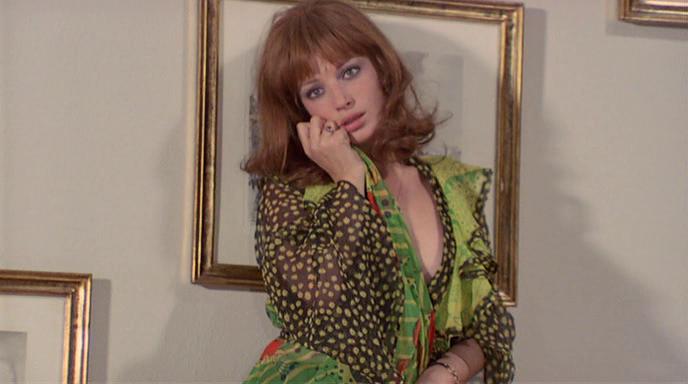
kfoodfair2015.com – La supertestimone (The Super Witness), a 1971 Italian black comedy directed by Franco Giraldi, is a captivating and morally ambiguous exploration of the power of chance, the fragility of memory, and the consequences of our actions. 1 The film centers around Isolina Pantò (Monica Vitti), a timid and introverted woman whose life takes an unexpected turn when she becomes the key witness in a murder trial.  

A Chance Encounter, A Fatal Mistake

Isolina, a woman haunted by a past marked by isolation and fear, is thrust into the spotlight when she inadvertently becomes involved in a criminal case. Her testimony, delivered with a mix of uncertainty and conviction, leads to the imprisonment of a man accused of murder. However, as time passes, doubts begin to gnaw at Isolina’s conscience. She becomes increasingly tormented by the possibility that she may have falsely incriminated an innocent man.

A Prison Romance, A Twisted Fate

As Isolina grapples with her guilt, she embarks on a peculiar journey of redemption. She visits the imprisoned man, Marino Bottecchia (Ugo Tognazzi), a charismatic and manipulative figure who quickly captivates her. Despite the stark contrast between their personalities, a strange bond forms between them. Isolina, driven by a desire to rectify her past mistake, becomes determined to help Marino secure his release.

A Dark Comedy of Errors

La supertestimone is a masterclass in cinematic irony and dark humor. The film deftly balances moments of poignant drama with scenes of absurd comedy. The characters, often caught in a web of their own making, are both sympathetic and ridiculous. Monica Vitti’s portrayal of Isolina is particularly striking, capturing the character’s internal turmoil and gradual transformation with subtlety and nuance.

A Reflection on Justice and Morality

Beyond its comedic elements, La supertestimone raises profound questions about the nature of justice and the fallibility of the legal system. The film suggests that the pursuit of truth can be a complex and elusive endeavor, often distorted by human error and prejudice. Isolina’s journey serves as a cautionary tale, reminding us that even the most well-intentioned actions can have unintended consequences.

A Timeless Classic of Italian Cinema

La supertestimone is a timeless masterpiece that continues to resonate with audiences today. Its exploration of themes such as guilt, redemption, and the power of human connection remains as relevant as ever. The film’s unique blend of dark comedy, social commentary, and psychological drama has solidified its place as a landmark in Italian cinema.

In Conclusion

La supertestimone is a thought-provoking and entertaining film that offers a fresh perspective on the complexities of human nature. Its masterful storytelling, unforgettable characters, and sharp social commentary make it a must-watch for fans of Italian cinema and lovers of dark comedy alike.

My Sassy Girl (2001): A Love Story for the Ages

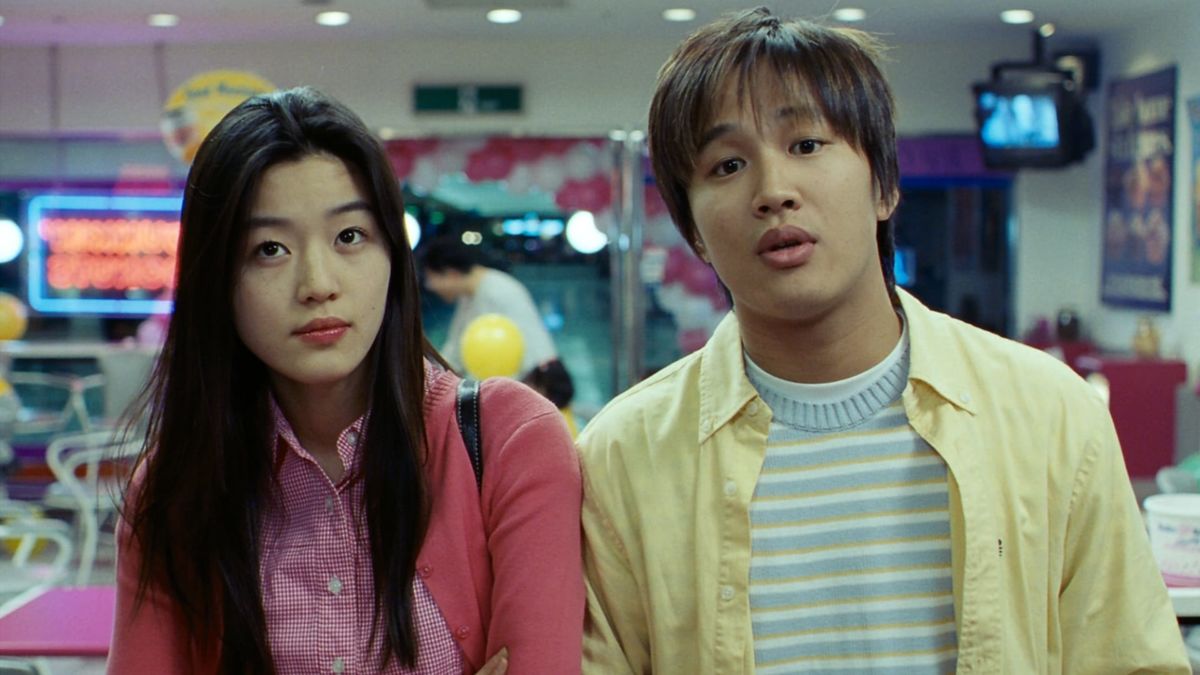
kfoodfair2015.com – “My Sassy Girl” (2001), a South Korean romantic comedy film directed by Kwak Jae-yong, is more than just a movie; it’s a cultural phenomenon that swept across Asia and beyond. The film, starring Jun Ji-hyun and Cha Tae-hyun, tells the unconventional love story of a quirky, free-spirited young woman and the hapless college student who falls head over heels for her.   

A Unique Premise

The film’s charm lies in its refreshing departure from traditional romantic tropes. Instead of the typical meet-cute and gradual courtship, “My Sassy Girl” throws viewers into the whirlwind of a relationship already in full swing. Gyun-woo (Cha Tae-hyun), a seemingly ordinary college student, finds himself entangled with the enigmatic and unpredictable “Girl” (Jun Ji-hyun) after a chance encounter on a train.   

The “Girl” is anything but ordinary. She’s boisterous, impulsive, and often violent, yet undeniably captivating. Gyun-woo, initially bewildered by her erratic behavior, gradually finds himself drawn to her unique spirit and unwavering honesty. Their relationship is a rollercoaster of emotions, filled with laughter, tears, and unexpected twists.   

A Cultural Impact

“My Sassy Girl” became a global sensation, captivating audiences with its unconventional portrayal of love and relationships. The film’s success can be attributed to several factors:

  • Relatable Characters: Despite the “Girl’s” exaggerated personality, her vulnerability and genuine emotions resonated with viewers. Gyun-woo’s unwavering love and acceptance of her flaws further endeared him to audiences.
  • Unpredictable Plot: The film’s non-linear narrative, told through a series of flashbacks, kept viewers guessing and engaged. The unexpected turns and humorous situations provided a constant stream of entertainment.
  • Cross-Cultural Appeal: The film’s themes of love, friendship, and self-discovery transcended cultural boundaries, resonating with audiences worldwide.
  • Iconic Performances: Jun Ji-hyun’s portrayal of the “Girl” is a tour de force, showcasing her comedic timing and ability to embody a complex and multifaceted character. Cha Tae-hyun’s performance as the endearingly hapless Gyun-woo perfectly complements her energy.

A Lasting Legacy

“My Sassy Girl” has left an indelible mark on the world of cinema. It spawned numerous remakes in various languages, including Japanese, Chinese, and American versions. The film’s popularity also contributed to the growing global interest in Korean cinema and culture.   

More than just a romantic comedy, “My Sassy Girl” is a celebration of individuality, unconventional love, and the power of human connection. It continues to entertain and inspire audiences around the world, reminding us that love can come in the most unexpected and unconventional forms.

Pussycat, Pussycat, I Love You (1970): A Quirky, Campy Comedy

kfoodfair2015.com – Pussycat, Pussycat, I Love You is a 1970 comedy film that, while not quite a sequel to Woody Allen’s What’s New, Pussycat?, shares a similar spirit of sexual innuendo and farcical humor. Directed by Rod Amateau, the film stars Ian McShane as Fred C. Dobbs, a playwright living in Rome with his wife, Millie, and a bevy of mistresses.   

A Hair-Raising Premise

The film’s plot revolves around Dobbs’s fear of balding. He seeks help from a quack psychiatrist, Dr. Fahrquardt, played by the eccentric Severn Darden. Fahrquardt’s unorthodox therapy involves listening to Dobbs recount his sexual escapades, which are often bizarre and surreal. As Dobbs delves deeper into his fantasies, the line between reality and fiction blurs, leading to a series of increasingly absurd situations.   

A Campy Delight

Pussycat, Pussycat, I Love You is a campy delight, filled with over-the-top performances, outrageous humor, and sexual innuendo. The film’s tone is often self-aware, with characters breaking the fourth wall and winking at the audience. The soundtrack, composed by Lalo Schifrin, adds to the film’s quirky atmosphere with its jazzy, psychedelic score.   

A Forgotten Gem

Despite its cult following, Pussycat, Pussycat, I Love You is often overlooked in discussions of classic comedies. However, the film’s unique blend of humor, sex, and surrealism makes it a worthwhile watch for fans of offbeat cinema. While it may not be a masterpiece, it’s a fun and entertaining film that captures the spirit of the swinging sixties.

The Bramble Bush: A Controversial Classic – A Town Divided

kfoodfair2015.com – The Bramble Bush (1960) is a psychological drama that delves into the complexities of human relationships, morality, and the consequences of choices. Directed by Daniel Petrie and starring a stellar cast including Richard Burton, Angie Dickinson, Barbara Rush, Jack Carson, and James Dunn, the film is an adaptation of Charles Mergendahl’s controversial novel of the same name.   

A Town Divided

The story unfolds in a small, conservative New England town, where Dr. Guy Montford (Richard Burton) returns to his hometown to care for his dying friend, Larry McFie (Tom Drake). As Guy becomes entangled in the lives of the townspeople, a web of secrets, desires, and moral dilemmas begins to unravel.   

A Forbidden Love

One of the central conflicts revolves around Guy’s growing attraction to Larry’s wife, Margaret (Barbara Rush). Their forbidden love affair ignites a passionate and destructive relationship, leading to a tragic climax that will forever change their lives.

A Nurse’s Revenge

Meanwhile, Fran (Angie Dickinson), a nurse at the local hospital, is deeply infatuated with Guy. When he rejects her advances, she seeks revenge by embarking on a dangerous affair with the unscrupulous district attorney, Bert Mosley (Jack Carson). Fran’s actions have far-reaching consequences, as she becomes entangled in a web of blackmail and deceit.   

A Moral Dilemma

The Bramble Bush explores profound themes of morality, guilt, and redemption. Guy, faced with a life-altering decision, must confront his own conscience and the potential consequences of his actions. The film raises questions about the nature of right and wrong, the power of love, and the price of redemption.  

A Controversial Legacy

Upon its release, The Bramble Bush was met with both critical acclaim and controversy. The film’s frank exploration of adult themes, including adultery, euthanasia, and blackmail, was considered shocking for its time. However, the powerful performances, compelling storyline, and thought-provoking themes have ensured its enduring legacy as a classic of American cinema.

Angie Dickinson’s Stellar Performance

Angie Dickinson delivers a captivating performance as Fran, a complex and morally ambiguous character. Her portrayal of a woman torn between love, revenge, and self-destruction is both mesmerizing and disturbing. Dickinson’s performance in The Bramble Bush solidified her status as a talented actress and a leading lady of Hollywood.

A Timeless Tale of Love, Loss, and Redemption

The Bramble Bush remains a relevant and powerful film, exploring timeless themes that continue to resonate with audiences today. Its exploration of the human condition, the complexities of relationships, and the consequences of our choices make it a thought-provoking and unforgettable cinematic experience.

The Odd Angry Shot (1979): Vietnam War through Australian Eyes

kfoodfair2015.com – “The Odd Angry Shot” is a 1979 Australian war film that offers a unique perspective on the Vietnam War, focusing on the experiences of Australian soldiers. Written, directed, and produced by Tom Jeffrey, the film is based on the novel by William L. Nagle, who drew from his own experiences in Vietnam. This film stands out as one of the few that explores the Vietnam War from an Australian viewpoint, providing a distinct narrative that diverges from the typical American-centric war films.

Plot and Themes

The film follows a group of Australian troops serving in Vietnam, particularly focusing on a Special Air Service (SAS) corporal named Harry, played by Graham Kennedy. The narrative weaves through their day-to-day experiences, capturing not only the combat scenes but also the camaraderie, humor, and the mundane aspects of military life. The film balances the grim realities of war with lighter, comedic moments, reflecting the soldiers’ attempts to cope with the stress and chaos of their environment.

Character and Development

The characters in “The Odd Angry Shot” are portrayed with depth and authenticity, offering viewers a glimpse into the lives of soldiers who grapple with their roles in a complex conflict. The film highlights the bonds formed between the men, their moments of introspection, and their varying coping mechanisms. Harry and his comrades are depicted as resilient yet vulnerable, showcasing the psychological impact of war on individuals.

Cinematic Style

Tom Jeffrey’s direction in “The Odd Angry Shot” is marked by a focus on realism and authenticity. The film avoids glorifying war, instead presenting an honest depiction of the soldiers’ experiences. The cinematography captures the harsh and often monotonous environment of the Vietnamese jungle, while the script incorporates the Australian vernacular, lending the film an authentic feel.

Cultural and Historical Significance

“The Odd Angry Shot” holds cultural significance as one of the earliest films to address the Vietnam War from an Australian perspective. It provides valuable insight into the contributions and experiences of Australian soldiers, who are often overshadowed in the broader narrative of the Vietnam War. The film also sheds light on the impact of the conflict on Australia, both at home and abroad.

Conclusion

In conclusion, “The Odd Angry Shot” is a noteworthy film that explores the Vietnam War through the lens of Australian soldiers. Its blend of humor and seriousness, combined with authentic portrayals of military life, makes it a compelling and important piece of cinema. By focusing on the Australian experience, the film enriches our understanding of the Vietnam War and highlights the diverse narratives within this tumultuous period.

The Swimmers (2014): A Dive into Suspense and Friendship

kfoodfair2015.com – “The Swimmers” is a 2014 Thai horror film directed by Sopon Sukdapisit. The movie delves into the complex world of teenage emotions, friendship, and the supernatural. It combines elements of thriller and drama to explore themes of jealousy, betrayal, and the consequences of our actions.

Plot Overview

The story centers around two competitive swimmers, Perth and Tan, who are not only teammates but also best friends. Tensions arise when Perth becomes envious of Tan’s superior athletic skills and his beautiful girlfriend, Ice. The plot thickens as Ice’s mysterious death by apparent suicide unfolds, leading to supernatural occurrences that haunt Perth and drive Tan to uncover the truth behind her demise.

Character Dynamics

Perth and Tan’s friendship is at the heart of the film, illustrating the strain that jealousy and unspoken emotions can place on even the strongest bonds. Ice’s character, although deceased for most of the film, plays a pivotal role in unraveling the mystery and driving the narrative forward.

Themes and Symbolism

“The Swimmers” effectively uses water as a symbol for both life and death, reflecting the dual nature of the characters’ struggles. The swimming pool becomes a significant setting where pivotal moments occur, symbolizing a space of both competition and tragedy.

Cinematic Techniques

Director Sopon Sukdapisit employs a variety of cinematic techniques to enhance the film’s suspenseful atmosphere. The use of lighting, sound effects, and camera angles creates an immersive experience that keeps the audience on edge.

Conclusion

“The Swimmers” is a gripping film that combines horror and drama to explore deep emotional themes. It is a story about the complexity of human relationships and the haunting consequences of our choices. For those who enjoy a blend of supernatural suspense and emotional depth, “The Swimmers” offers a compelling cinematic experience.

Dua Garis Biru (Two Blue Stripes): Indonesian Drama

kfoodfair2015.com – “Dua Garis Biru,” known in English as “Two Blue Stripes,” is a 2019 Indonesian teen drama directed by Gina S. Noer and produced by Starvision Plus. The film tackles the sensitive and often taboo topic of teenage pregnancy, providing a compelling narrative that centers on the lives of two high school students, Dara and Bima, portrayed by Zara JKT48 and Angga Yunanda, respectively.

Plot Summary

The story unfolds with Dara and Bima, who, in their naivety, cross a line that leads to unexpected consequences — Dara’s pregnancy. As they grapple with the implications of their actions, the film explores their journey through the emotional and social challenges that arise. The narrative delves into the dynamics of their families’ reactions and the societal pressures they face, highlighting the lack of open discourse around sex education in Indonesia.

Themes and Messages

“Dua Garis Biru” bravely addresses the consequences of unprotected teenage intimacy, shedding light on the importance of sex education and parental guidance. The film is lauded for its realistic portrayal of the young couple’s struggles and the responsibilities they must shoulder at such a tender age. It emphasizes the significance of communication and understanding between parents and children, driving home the message that compassion and support are crucial in navigating such life-altering situations.

Critical Reception and Impact

Upon its release, “Dua Garis Biru” received critical acclaim for its sensitive handling of a controversial topic. Critics praised Gina S. Noer’s directorial debut for its engaging storytelling and the strong performances by the lead actors. The film not only sparked discussions about teenage pregnancy and sex education in Indonesia but also achieved commercial success, resonating with audiences both locally and internationally.

Conclusion

“Dua Garis Biru” is more than just a film about teenage love and its consequences; it is a call to action for better education and understanding of adolescent issues. By portraying the realities faced by many teenagers, the film encourages open dialogues and aims to foster a more informed and compassionate society.

Dark Water (2002): A Haunting Tale of Motherhood & Mystery

kfoodfair2015.com – “Dark Water” (2002) is a Japanese horror film directed by Hideo Nakata, best known for his work on the iconic “Ring” series. Based on the short story by Koji Suzuki, this film weaves a chilling narrative that explores themes of motherhood, loss, and the supernatural.

Plot Overview

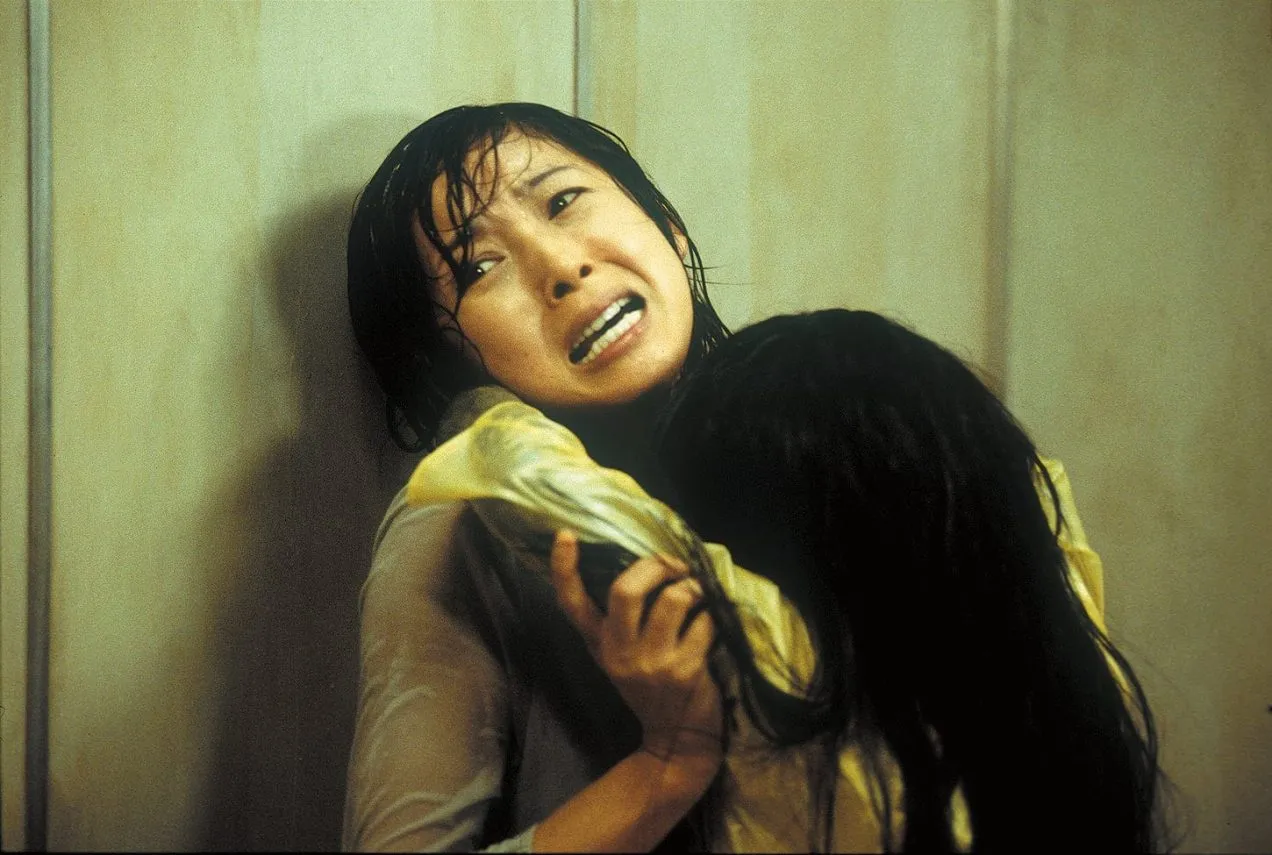
The story follows Yoshimi Matsubara, a recently divorced woman fighting for custody of her daughter, Ikuko. The pair move into a decrepit apartment building, where strange occurrences begin to unravel. Water stains on the ceiling, mysterious noises, and the presence of a little girl’s spirit become increasingly unsettling, drawing Yoshimi into a dark mystery that threatens her sanity and her bond with Ikuko.

Atmosphere and Style

Nakata’s direction is marked by a somber and claustrophobic atmosphere. The film’s visual style is deliberately muted, using dreary and rain-soaked settings to evoke a sense of dread and melancholy. The slow pace allows for a gradual build-up of tension, effectively immersing the audience in the protagonist’s psychological turmoil.

Themes

“Dark Water” delves into the fears and anxieties of motherhood. Yoshimi’s struggle is not only against supernatural forces but also societal pressures and personal guilt. The film poignantly portrays the lengths a mother will go to protect her child, even at great personal cost.

Performances

Hitomi Kuroki delivers a compelling performance as Yoshimi, capturing the character’s vulnerability and determination. The young Rio Kanno, portraying Ikuko, adds innocence and poignancy to the film, enhancing the emotional stakes of the narrative.

Conclusion

“Dark Water” stands as a classic in the J-horror genre, combining psychological depth with supernatural elements. Its haunting story and atmospheric execution make it a memorable film that continues to resonate with audiences, exploring the complex dynamics of family and the unrelenting grip of the past.

Exploring the Depths of “Three Monkeys” (Üç Maymun)

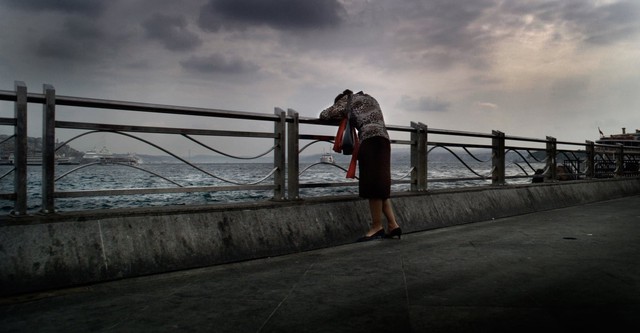
kfoodfair2015.com – “Three Monkeys” (Üç Maymun) is a critically acclaimed Turkish film directed by Nuri Bilge Ceylan. Released in 2008, the film is a compelling exploration of human nature, moral dilemmas, and the complexities of family dynamics. It received international recognition and was notably awarded the Best Director prize at the Cannes Film Festival.

The Plot and Its Themes

The film’s narrative centers around a family that is thrown into turmoil following a hit-and-run accident. Servet, a politician involved in the accident, persuades his driver, Eyüp, to take the blame in exchange for financial compensation. Eyüp agrees, serving a prison sentence to protect Servet and provide for his family. Meanwhile, Eyüp’s wife, Hacer, and their son, İsmail, struggle with their own moral quandaries and the burden of keeping the secret.

The title “Three Monkeys” refers to the proverbial principle of “see no evil, hear no evil, speak no evil,” symbolizing the characters’ attempts to ignore the truth and the consequences of their actions. The film delves into themes of guilt, betrayal, and the lengths people will go to protect their loved ones, even at the cost of their integrity.

Cinematic Style and Directorial Approach

Nuri Bilge Ceylan is renowned for his meticulous attention to detail and his ability to capture the subtleties of human emotion. In “Three Monkeys,” Ceylan employs a minimalist approach, using long takes and sparse dialogue to create a tense and immersive atmosphere. The film’s visual style is characterized by its use of natural lighting and muted color palettes, which emphasize the bleakness of the characters’ predicament and the moral ambiguity they face.

Ceylan’s direction allows the audience to engage deeply with the characters’ internal struggles, as they navigate the fine line between right and wrong. The film’s pacing is deliberately slow, drawing viewers into the characters’ world and encouraging reflection on the ethical dilemmas presented.

Critical Reception and Impact

“Three Monkeys” was met with critical acclaim, praised for its powerful storytelling and the director’s masterful handling of complex themes. The film’s success at Cannes solidified Nuri Bilge Ceylan’s reputation as a leading figure in contemporary cinema and brought international attention to Turkish filmmaking.

The film’s exploration of universal themes such as family loyalty, moral compromise, and the human tendency to avoid uncomfortable truths resonates with audiences worldwide. “Three Monkeys” challenges viewers to consider their own values and the consequences of their choices, making it a poignant and thought-provoking cinematic experience.

In conclusion, “Three Monkeys” (Üç Maymun) is a masterful work that combines compelling storytelling with profound philosophical questions. Its lasting impact on audiences and critics alike underscores its significance in the landscape of international cinema.

The Enchanting World of “If You Are the One” (2008)

kfoodfair2015.com – “If You Are the One” (2008) is a romantic comedy film directed by the celebrated Chinese director Feng Xiaogang. Released in December 2008, this film quickly captivated audiences with its charming narrative and engaging performances. Known for its blend of humor and romance, the movie presents a delightful exploration of relationships and personal growth.

A Story Beyond the Ordinary

The film centers around Qin Fen, portrayed by Ge You, a middle-aged businessman who, after gaining substantial wealth from a peculiar invention, decides to embark on a journey to find true love. He resorts to online dating, leading to a series of amusing and touching encounters with various women. The story takes a deeper turn when he meets Liang Xiaoxiao, played by Shu Qi, a woman dealing with her own emotional struggles. Their evolving relationship forms the heart of the narrative, offering both comedic and poignant moments.

Cast and Characters

The film’s cast features prominent actors who bring their characters to life with remarkable skill. Ge You’s portrayal of Qin Fen is both humorous and endearing, capturing the essence of a man in search of genuine connection. Shu Qi’s performance as Liang Xiaoxiao adds depth to the film, as she navigates her character’s complex emotions with grace. The chemistry between the leads is palpable, adding an authentic layer to their interactions.

Direction and Cinematic Style

Director Feng Xiaogang is renowned for his ability to create films that resonate with audiences on multiple levels. In “If You Are the One,” he masterfully combines humor with introspective storytelling, crafting a film that is both entertaining and thought-provoking. The film’s visual aesthetics and clever dialogue further enhance its appeal, making it a standout in the romantic comedy genre.

Cultural Impact and Reception

Upon its release, “If You Are the One” received widespread acclaim for its engaging plot and strong performances. It resonated deeply with audiences, both in China and internationally, contributing to its commercial success. The film’s exploration of modern dating and personal relationships struck a chord with viewers, solidifying its place as a beloved classic in Chinese cinema.

Conclusion

“If You Are the One” (2008) is more than just a romantic comedy; it is a cinematic journey that explores the complexities of love and self-discovery. With its memorable characters and insightful storytelling, the film continues to enchant audiences worldwide, leaving a lasting impression on all who experience its charm.

Dhoom 3: A Cinematic Rollercoaster of Action & Emotion

kfoodfair2015.com – “Dhoom 3,” directed by Vijay Krishna Acharya, is the third installment in the popular “Dhoom” series. Released in 2013, this action thriller captivated audiences with high-stakes heists, breathtaking stunts, and a gripping storyline. It stars Aamir Khan, Katrina Kaif, Abhishek Bachchan, and Uday Chopra. The film is known for its stunning visuals and Aamir Khan’s dual role, which brought a new depth to the franchise.

Plot Overview

The movie begins with Iqbal Khan, a circus owner played by Jackie Shroff, who faces financial ruin. His son, Sahir (Aamir Khan), vows to avenge his father’s death by targeting the Western Bank of Chicago, responsible for the family’s misfortunes. As Sahir grows up, he becomes a master illusionist and sets out on a mission to bring down the bank with meticulously planned heists. The film takes an unexpected turn when Sahir’s twin brother, Samar, is revealed, adding layers of complexity to the narrative.

Cast Performances

Aamir Khan’s performance as both Sahir and Samar is a standout, showcasing his versatility as an actor. His portrayal of the contrasting characters, from the vengeful Sahir to the innocent Samar, adds depth to the film. Katrina Kaif, as Aaliya, impresses with her dance sequences and chemistry with Khan. Meanwhile, Abhishek Bachchan and Uday Chopra reprise their roles as the iconic cop duo, Jai and Ali, providing comic relief and intense action sequences.

Technical Aspects

“Dhoom 3” is renowned for its high-octane action sequences and special effects, particularly the breathtaking bike chases and illusionist tricks. The cinematography captures the grandeur of Chicago, where most of the film is set, enhancing the visual appeal. The musical score by Pritam complements the film’s energetic tone, with songs like “Malang” and “Kamli” becoming instant hits.

Themes and Reception

The film explores themes of revenge, family loyalty, and the blurred lines between right and wrong. Despite mixed reviews regarding its length and pacing, “Dhoom 3” was a commercial success, becoming one of the highest-grossing Bollywood films at the time. Critics praised Khan’s performance and the film’s technical prowess, although some noted that the plot could have been tighter.

Conclusion

“Dhoom 3” remains a significant entry in the “Dhoom” franchise, known for pushing the boundaries of Bollywood action films. With its compelling performances, intricate plot, and spectacular visuals, it continues to be a favorite among action enthusiasts. Whether you’re a fan of the series or new to Bollywood cinema, “Dhoom 3” offers a thrilling experience that keeps you on the edge of your seat.

Casablanca: A Timeless Classic of Cinema

kfoodfair2015.com – Casablanca, released in 1942, is one of the most iconic films in American cinema history. Directed by Michael Curtiz and set against the backdrop of World War II, the movie weaves a tale of love, sacrifice, and political intrigue. Its enduring appeal lies in its memorable characters, profound themes, and unforgettable dialogue.

Setting the Scene

The film is set in the Moroccan city of Casablanca, a hub for refugees seeking to escape the clutches of the Axis powers. The city is depicted as a maze of intrigue, filled with spies, corrupt officials, and desperate individuals looking for a way out. This setting provides the perfect backdrop for the film’s exploration of loyalty, love, and courage.

The Plot

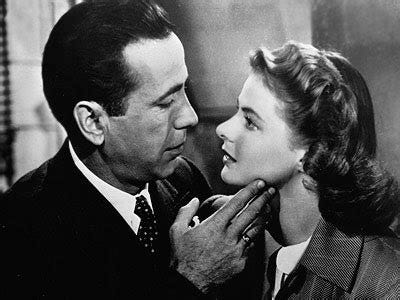
At the heart of the story is Rick Blaine, played by Humphrey Bogart, the cynical owner of Rick’s Café Américain. His world is turned upside down when Ilsa Lund, portrayed by Ingrid Bergman, walks into his bar. Ilsa is accompanied by her husband, Victor Laszlo, a Czech resistance leader. The plot thickens as Rick is forced to choose between his love for Ilsa and helping Laszlo escape to continue his fight against the Nazis.

Themes and Impact

Casablanca is renowned for its exploration of complex themes such as the struggle between personal happiness and the greater good. The film also delves into issues of loyalty and sacrifice, with Rick’s ultimate decision reflecting a deep sense of moral duty.

Moreover, Casablanca’s impact extends beyond its narrative. The film’s dialogue is peppered with lines that have become part of the cultural lexicon, including “Here’s looking at you, kid” and “We’ll always have Paris.” Its influence is evident in countless films and shows that followed, cementing its status as a blueprint for romantic dramas.

Conclusion

Casablanca remains a testament to the power of storytelling and the magic of cinema. Its blend of romance, suspense, and moral dilemmas continues to resonate with audiences, ensuring its place as a beloved classic. Whether watched for the first time or the hundredth, Casablanca offers a rich tapestry of emotion and intrigue, making it a film that truly stands the test of time.