
Char Kway Teow: A Stir-Fried Symphony of Flavors

kfoodfair2015.com – Char Kway Teow, a stir-fried flat rice noodle dish, is a beloved street food staple across Southeast Asia, particularly popular in Malaysia, Singapore, and Thailand. This vibrant and flavorful dish is a testament to the region’s rich culinary heritage, showcasing a delightful blend of textures and tastes.   

A Culinary Journey: The Origins of Char Kway Teow

The exact origins of Char Kway Teow are shrouded in some mystery, with claims of its birth in either Penang, Malaysia, or Phuket, Thailand. Regardless of its birthplace, the dish has undeniably become a cornerstone of Southeast Asian cuisine.

The name itself offers a glimpse into its essence:

  • “Char” translates to “to stir-fry” in Hokkien, a Chinese dialect widely spoken in Southeast Asia.   
  • “Kway Teow” refers to the flat rice noodles used in the dish.   

A Symphony of Flavors: The Ingredients

Char Kway Teow is a celebration of diverse ingredients, each contributing its unique character to the final dish:

  • Flat Rice Noodles: These are the star of the show, absorbing the rich flavors of the sauce and providing a satisfying chew.   
  • Dark Soy Sauce: This imparts a deep, savory umami flavor that is essential to the dish.
  • Prawns: Adding a touch of sweetness and a delightful seafood flavor.
  • Chinese Sausage (Lap Cheong): Offers a smoky, salty counterpoint to the sweetness of the prawns.   
  • Cockles: These small clams add a briny, earthy flavor and a delightful pop of texture.   
  • Bean Sprouts: Provide a refreshing crunch and a touch of greenery.   
  • Eggs: Scrambled or fried, eggs add richness and a creamy texture.   
  • Chives: Add a subtle onion-like flavor and a vibrant green color.   
  • Chili Paste: Provides a fiery kick, adjusting the spice level to your preference.  

The Stir-Frying Process: A Culinary Art

The true magic of Char Kway Teow lies in the stir-frying process. Over high heat, the wok is used to quickly cook the noodles, ensuring they remain slightly charred and develop a delightful smoky flavor. The ingredients are then added in succession, each contributing its own unique aroma and flavor to the fragrant medley.   

A Culinary Experience: Beyond the Plate

Char Kway Teow is more than just a meal; it’s a culinary experience. The vibrant colors, enticing aromas, and the satisfying sounds of the wok create a sensory feast. Often enjoyed as a street food, the dish embodies the vibrant spirit of Southeast Asian culture.

Variations and Regional Differences

While the core elements remain consistent, regional variations of Char Kway Teow exist. In Singapore, the dish often features a sweeter flavor profile, while Malaysian versions may incorporate more chili paste for a spicier kick.

A Culinary Legacy: Enduring Popularity

The enduring popularity of Char Kway Teow is a testament to its irresistible combination of flavors, textures, and aromas. Whether enjoyed as a casual street food snack or a celebratory feast, this iconic dish continues to captivate taste buds across Southeast Asia and beyond.

In Conclusion

Char Kway Teow is a culinary masterpiece, a symphony of flavors and textures that celebrates the vibrant spirit of Southeast Asia. Its enduring popularity is a testament to its irresistible appeal, a dish that continues to delight and inspire food lovers around the world.
Exploring the Delights of Hainanese Chicken Rice

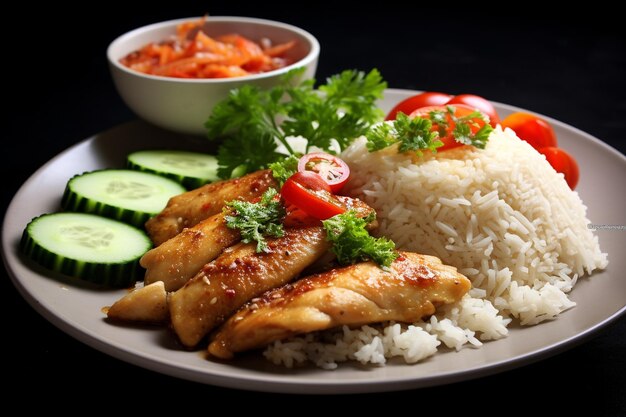
kfoodfair2015.com – Hainanese Chicken Rice is a beloved dish that has captured the hearts and taste buds of food enthusiasts around the world. Originating from Hainan, China, this dish has become a staple in many Southeast Asian countries, particularly Singapore and Malaysia, where it is celebrated as a national dish. The allure of Hainanese Chicken Rice lies in its simplicity and the harmonious blend of flavors and textures it offers.

The Dish: Poached Chicken with Seasoned Rice

At the heart of Hainanese Chicken Rice is the poached chicken. The chicken is gently simmered in a broth that is often infused with ginger and garlic, which imparts a delicate flavor and ensures the meat remains tender and juicy. The chicken is then served at room temperature, enhancing its natural taste and texture.

Accompanying the chicken is a bed of fragrant seasoned rice. The rice is cooked in the same broth used to poach the chicken, which adds a rich, savory depth to each bite. Aromatics like garlic, ginger, and pandan leaves are often used to enhance the rice’s flavor, making it a perfect complement to the succulent chicken.

The Perfect Accompaniments: Chili Sauce and Cucumber

No Hainanese Chicken Rice is complete without its signature chili sauce. This sauce is typically made by blending fresh red chilies, garlic, ginger, lime juice, and chicken broth. It adds a zesty and spicy kick that balances the mildness of the chicken and rice. Additionally, a serving of cucumber slices provides a refreshing contrast, offering a crisp and cool element to the dish.

The Experience: More Than Just a Meal

Hainanese Chicken Rice is more than just a meal; it’s an experience that brings together a symphony of flavors in a single plate. Whether enjoyed at a street food stall or a high-end restaurant, this dish exemplifies the beauty of simplicity in culinary traditions. Its harmonious balance of textures and flavors makes it a timeless favorite for many.

Conclusion

Hainanese Chicken Rice is a testament to the power of simplicity in cooking. By focusing on high-quality ingredients and careful preparation, this dish delivers a satisfying and unforgettable dining experience. Whether you’re a seasoned fan or trying it for the first time, Hainanese Chicken Rice offers a delicious journey into the rich culinary heritage of Southeast Asia.

Paella: Spain’s Iconic Rice Dish

kfoodfair2015.com – Paella is not just a dish; it’s a symbol of Spanish cuisine, a culinary masterpiece that has been celebrated for centuries. Originating from the Valencia region in Spain, paella has evolved into a variety of styles, each with its unique flavors and ingredients. However, at its core, paella remains a simple yet exquisite rice di

sh that brings people together, whether for a family meal or a festive gathering.

The History of Paella

The origins of paella can be traced back to the 18th century in the Albufera lagoon near Valencia. It was initially a meal for laborers in the fields, made with rice, rabbit, duck, snails, green beans, and later, saffron for color and flavor. The name “paella” comes from the wide, shallow pan in which it’s cooked, also called a paella, which is essential for achieving the perfect socarrat—the crispy, flavorful bottom layer of rice.

The Essential Ingredients

While there are many variations of paella, some key ingredients remain constant. Short-grain rice, such as bomba or calasparra, is preferred for its ability to absorb flavors without becoming mushy. Saffron, the world’s most expensive spice, is another essential, adding not only color but also a unique, earthy flavor. Other common ingredients include tomatoes, garlic, onions, green beans, and a variety of meats or seafood, depending on the region and the cook’s preference.

The Different Types of Paella

Valencian Paella (Paella Valenciana)

The original and most traditional version, featuring rabbit, chicken, green beans, and sometimes snails. It’s a meat and vegetable paella, without seafood.

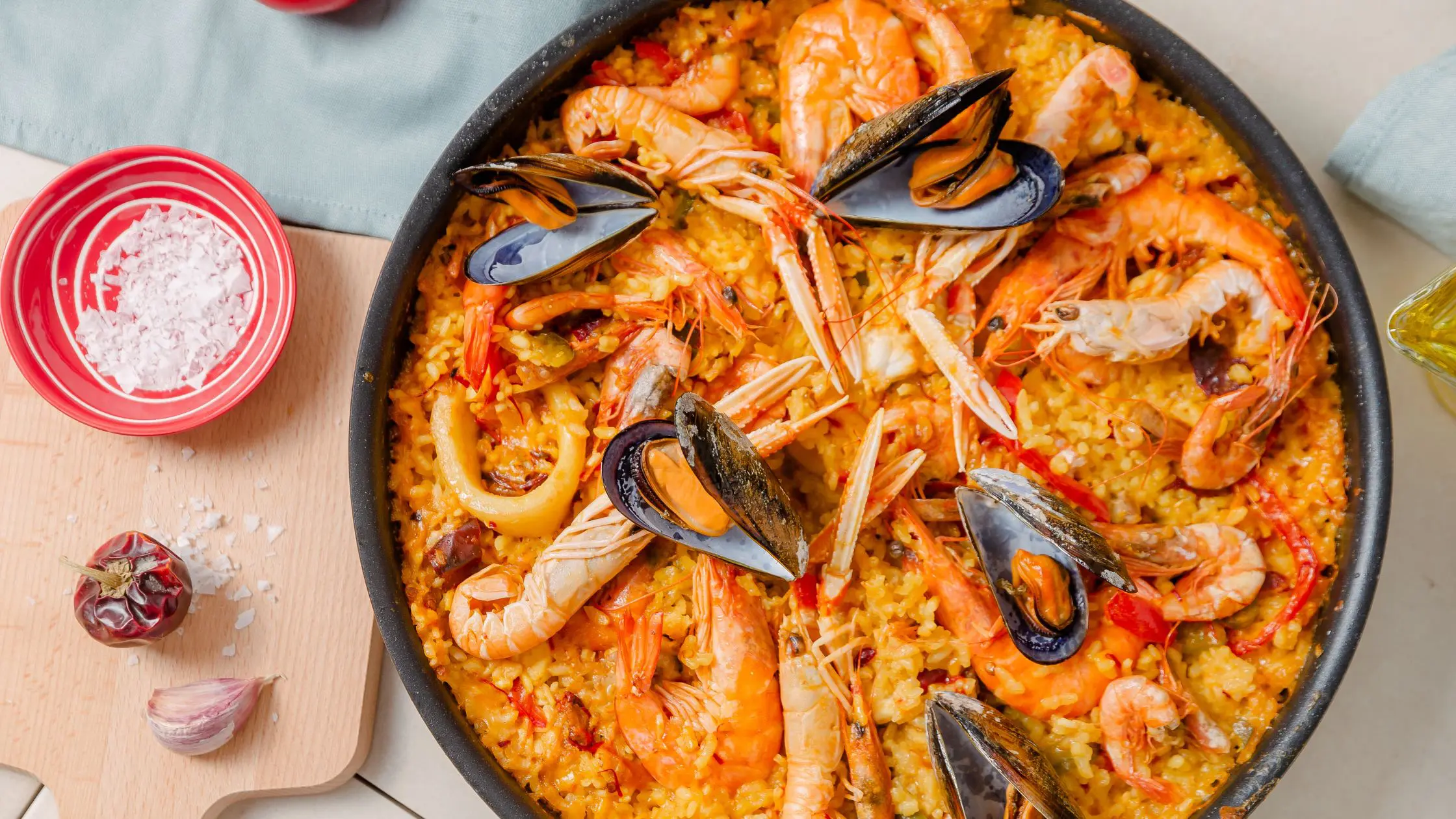
Seafood Paella (Paella de Marisco)

A coastal variation, loaded with a variety of seafood such as shrimp, mussels, clams, squid, and sometimes fish. It’s a favorite among seafood lovers.

Mixed Paella (Paella Mixta)

A combination of the Valencian and seafood paellas, including both meat and seafood. While popular among tourists, it’s less common in traditional Spanish homes.

Vegetarian Paella

A more recent adaptation, catering to those who don’t eat meat or seafood. It’s packed with a variety of vegetables and sometimes includes tofu or other plant-based proteins.

The Art of Making Paella

Making paella is as much an art as it is a science. The dish starts with softening the vegetables and meats in olive oil, then adding the rice to toast it lightly before adding the liquid. This can be a broth made from the meats or seafood, along with saffron and other seasonings. The paella is cooked over an open flame or a paella burner, which allows for even cooking and the development of the socarrat.

Paella: Beyond the Recipe

Paella is more than just a collection of ingredients; it’s a cultural experience. It’s a dish that’s meant to be shared, bringing friends and family together around a table to enjoy the fruits of a communal effort. The preparation of paella is often a social event, with everyone pitching in to chop, stir, and taste, making it a dish that’s as much about the process as it is about the end result.

In conclusion, paella is a testament to the rich culinary heritage of Spain. It’s a dish that embodies the country’s love for good food, shared experiences, and the simple pleasures of life. Whether you’re enjoying a traditional Valencian paella or a modern vegetarian version, paella remains a symbol of Spanish cuisine, inviting us all to savor the flavors and traditions of this iconic dish.