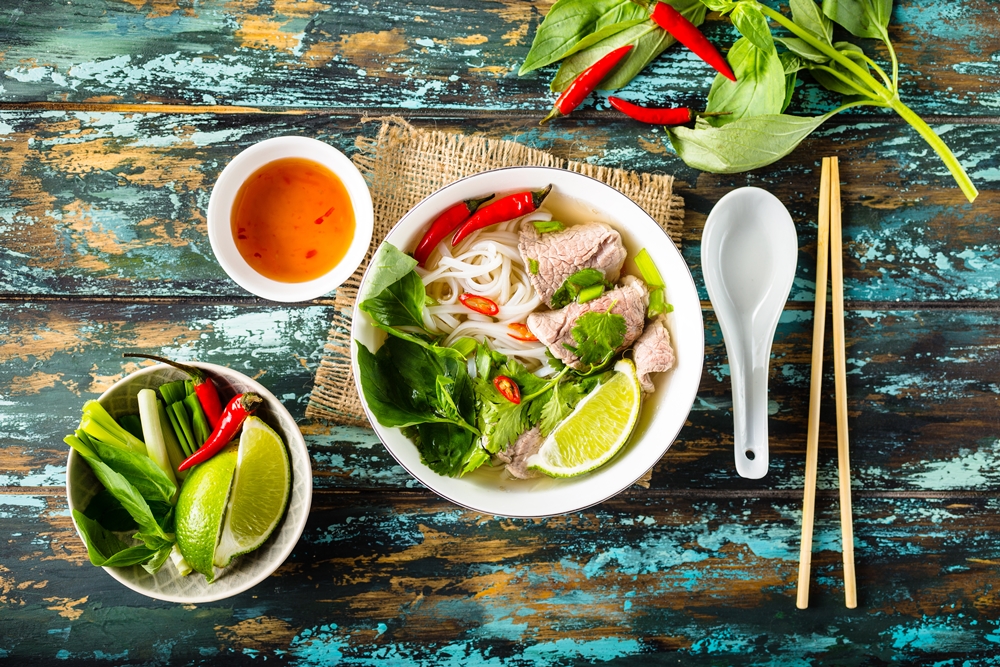

kfoodfair2015.com – Char Kway Teow, a stir-fried flat rice noodle dish, is a beloved street food staple across Southeast Asia, particularly popular in Malaysia, Singapore, and Thailand. This vibrant and flavorful dish is a testament to the region’s rich culinary heritage, showcasing a delightful blend of textures and tastes.
A Culinary Journey: The Origins of Char Kway Teow
The exact origins of Char Kway Teow are shrouded in some mystery, with claims of its birth in either Penang, Malaysia, or Phuket, Thailand. Regardless of its birthplace, the dish has undeniably become a cornerstone of Southeast Asian cuisine.
The name itself offers a glimpse into its essence:
- “Char” translates to “to stir-fry” in Hokkien, a Chinese dialect widely spoken in Southeast Asia.
- “Kway Teow” refers to the flat rice noodles used in the dish.
A Symphony of Flavors: The Ingredients
Char Kway Teow is a celebration of diverse ingredients, each contributing its unique character to the final dish:
- Flat Rice Noodles: These are the star of the show, absorbing the rich flavors of the sauce and providing a satisfying chew.
- Dark Soy Sauce: This imparts a deep, savory umami flavor that is essential to the dish.
- Prawns: Adding a touch of sweetness and a delightful seafood flavor.
- Chinese Sausage (Lap Cheong): Offers a smoky, salty counterpoint to the sweetness of the prawns.
- Cockles: These small clams add a briny, earthy flavor and a delightful pop of texture.
- Bean Sprouts: Provide a refreshing crunch and a touch of greenery.
- Eggs: Scrambled or fried, eggs add richness and a creamy texture.
- Chives: Add a subtle onion-like flavor and a vibrant green color.
- Chili Paste: Provides a fiery kick, adjusting the spice level to your preference.
The Stir-Frying Process: A Culinary Art
The true magic of Char Kway Teow lies in the stir-frying process. Over high heat, the wok is used to quickly cook the noodles, ensuring they remain slightly charred and develop a delightful smoky flavor. The ingredients are then added in succession, each contributing its own unique aroma and flavor to the fragrant medley.
A Culinary Experience: Beyond the Plate
Char Kway Teow is more than just a meal; it’s a culinary experience. The vibrant colors, enticing aromas, and the satisfying sounds of the wok create a sensory feast. Often enjoyed as a street food, the dish embodies the vibrant spirit of Southeast Asian culture.
Variations and Regional Differences
While the core elements remain consistent, regional variations of Char Kway Teow exist. In Singapore, the dish often features a sweeter flavor profile, while Malaysian versions may incorporate more chili paste for a spicier kick.
A Culinary Legacy: Enduring Popularity
The enduring popularity of Char Kway Teow is a testament to its irresistible combination of flavors, textures, and aromas. Whether enjoyed as a casual street food snack or a celebratory feast, this iconic dish continues to captivate taste buds across Southeast Asia and beyond.
In Conclusion
Char Kway Teow is a culinary masterpiece, a symphony of flavors and textures that celebrates the vibrant spirit of Southeast Asia. Its enduring popularity is a testament to its irresistible appeal, a dish that continues to delight and inspire food lovers around the world.