Ackee and Saltfish: A Jamaican Breakfast Staple

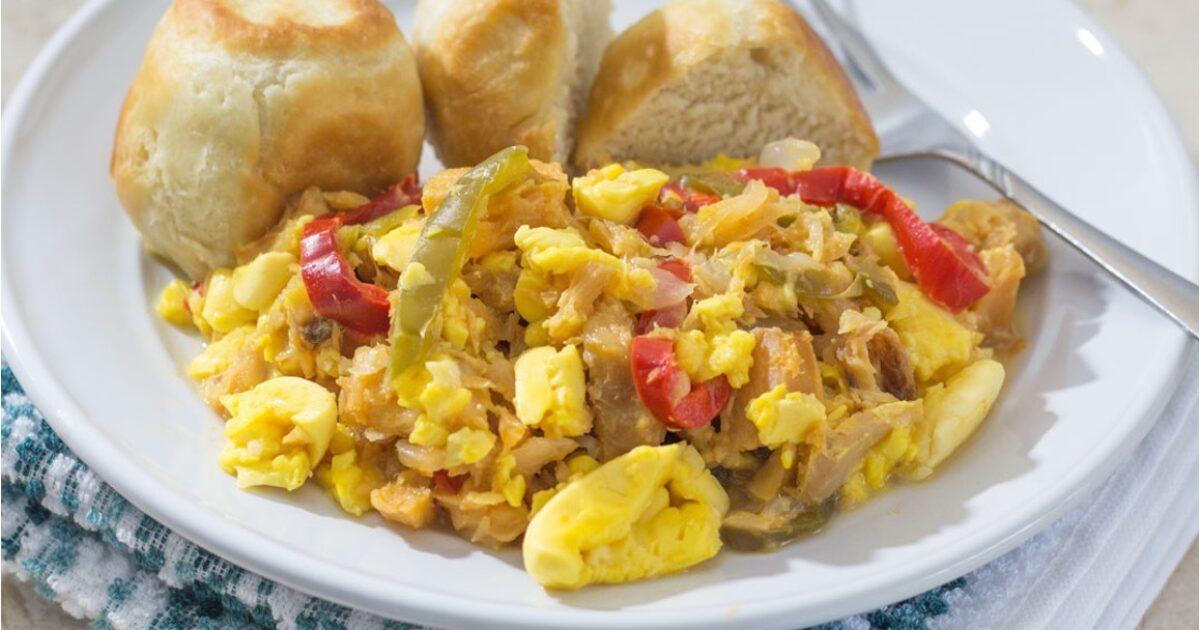
kfoodfair2015.com – Ackee and saltfish is a beloved national dish of Jamaica, often enjoyed for breakfast. This savory and flavorful combination showcases the unique ackee fruit, a tropical delicacy, paired with salted cod. It’s a dish steeped in history and cultural significance, offering a taste of the Caribbean island’s rich culinary heritage.

The Unique Ackee Fruit

The ackee fruit is a key ingredient in this dish. It’s a tropical fruit with a vibrant yellow color and a delicate, creamy texture. However, it’s crucial to note that ackee fruit must be fully ripe and properly prepared to avoid food poisoning. The fruit’s fleshy arils are the edible part, and they have a slightly sweet and nutty flavor.

The Saltfish Component

Saltfish, or salted cod, is another essential ingredient in this dish. It’s a preserved fish that requires soaking and desalinating before cooking. The salting process helps to preserve the fish and adds a unique flavor profile to the dish.

Preparing Ackee and Saltfish

Preparing ackee and saltfish is a labor-intensive process, but the result is a delicious and satisfying meal. Here’s a general overview of the steps involved:

  1. Soaking the Saltfish: The saltfish must be soaked in water to remove excess salt. This process can take several hours, and the water may need to be changed a few times.
  2. Preparing the Ackee: The ackee fruit must be carefully de-seeded and the fleshy arils removed. They are then cooked, often boiled or steamed, until tender.
  3. Cooking the Saltfish: The desalted saltfish is typically fried or sautéed until crispy.
  4. Combining the Ingredients: The cooked ackee and saltfish are combined in a pot with onions, tomatoes, peppers, and other spices. The mixture is simmered until the flavors meld together.

The Flavor Profile

Ackee and saltfish offers a complex and satisfying flavor profile. The creamy ackee provides a gentle sweetness, while the salty cod adds a savory contrast. The combination of spices, such as thyme, scotch bonnet peppers, and allspice, creates a warm and aromatic dish.

Cultural Significance

Ackee and saltfish holds a special place in Jamaican culture. It’s often served on Sundays and holidays, and it’s a symbol of the island’s culinary heritage. The dish reflects the influence of African, European, and Indigenous cultures on Jamaican cuisine.

Beyond Breakfast

While ackee and saltfish is traditionally a breakfast dish, it can also be enjoyed for lunch or dinner. The versatility of this dish allows for various interpretations and creative twists. Some people may add other ingredients, such as dumplings or plantains, to create a more substantial meal.

A Brief History and The Crispy Delights of Samosas

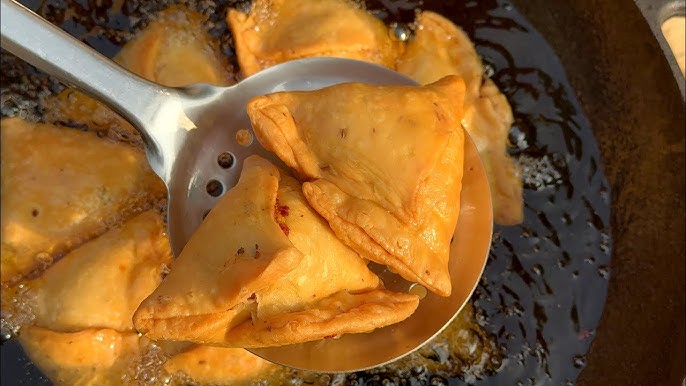
kfoodfair2015.com – Samosas, those golden-brown, triangular pastries filled with spiced potatoes and peas, are a beloved snack and appetizer across South Asia and the Middle East. Their crispy exterior and flavorful filling make them irresistible to people of all ages. In this article, we’ll delve into the origins, ingredients, and the art of making these delectable treats.   

A Brief History

The exact origins of samosas are shrouded in history, with claims dating back to ancient Persia and Central Asia. Some historians trace them to the samosas of Central Asia, while others connect them to the sambusak of the Arab world. Regardless of their precise origins, samosas have become a staple in many cuisines, particularly in India, Pakistan, and the Middle East.

The Perfect Filling

The heart of a samosa lies in its filling. Traditionally, it consists of a spiced mixture of potatoes, peas, and a blend of aromatic spices like cumin, coriander, chili powder, and garam masala. However, variations exist, with some people adding onions, cashews, or even minced meat to the filling. The key to a great samosa filling is a balance of flavors and textures, with the spices complementing the sweetness of the potatoes and peas.   

The Art of Folding

Once the filling is prepared, the next step is to wrap it in a crispy pastry. Samosa dough is typically made from all-purpose flour, water, and a bit of oil or ghee. The dough is rolled out into thin sheets and then cut into triangles. The filling is placed at the base of the triangle, and the sides are folded over to create a sealed, triangular shape.   

The Golden Touch: Frying

The final step in creating a perfect samosa is frying. The samosas are deep-fried in hot oil until they turn a beautiful golden brown. The frying process not only cooks the filling but also adds a layer of crispiness to the pastry.   

Beyond the Traditional

While the classic samosa is a timeless delight, modern variations have emerged. Some chefs experiment with different fillings, such as spinach and cheese or sweet potato and coconut. Others play with the shape, creating unique designs like flower-shaped samosas.   

A Culinary Delight

Samosas are more than just a snack; they are a cultural treasure that has captured the hearts of millions. Whether enjoyed as a street food, a party appetizer, or a comforting home-cooked meal, samosas continue to tantalize taste buds with their perfect blend of flavors and textures.

Multekrem: A Taste of Nordic Summer – Instructions

kfoodfair2015.com Multekrem is a classic Norwegian dessert that captures the essence of summer. It’s a simple yet elegant dish that showcases the unique flavor of cloudberries, a delicate and flavorful fruit that grows in the Nordic region.   

The Star Ingredient: Cloudberries

Cloudberries, or multer in Norwegian, are small, golden-yellow berries that grow in the marshes and bogs of northern Europe. They have a tart, slightly sweet flavor and are a prized ingredient in Scandinavian cuisine. Cloudberries are often referred to as the “gold of the North” due to their scarcity and unique flavor.   

Making Multekrem

Multekrem is incredibly simple to make. Here’s a basic recipe:

Ingredients:

  • Fresh or frozen cloudberries
  • Heavy cream
  • Sugar 

Instructions:

  1. Prepare the Cloudberries: If using frozen cloudberries, thaw them completely.
  2. Whip the Cream: Whip the heavy cream until stiff peaks form. 
  3. Combine Ingredients: Gently fold the cloudberries into the whipped cream. 
  4. Sweeten to Taste: Add sugar to taste.

Serving Multekrem

Multekrem is traditionally served with Krumkake, a thin, crispy waffle, or with other Norwegian pastries like Kransekake. It can also be enjoyed on its own or with a dollop of whipped cream.   

The Flavor Profile of Multekrem

Multekrem offers a delightful balance of sweet and tart flavors. The tangy cloudberries complement the rich, creamy texture of the whipped cream, creating a harmonious dessert. The simplicity of the dish allows the natural flavors of the ingredients to shine through.

The Cultural Significance of Multekrem

Multekrem is a beloved dessert in Norway, often associated with summer and the harvest season. It’s a simple yet elegant dish that reflects the Nordic love of nature and fresh, seasonal ingredients.

Conclusion

Multekrem is a true taste of Nordic summer. Its simple yet elegant preparation, combined with the unique flavor of cloudberries, makes it a must-try for anyone who appreciates fine food.

The Allure of Pears: A Sweet and Healthy Delight

kfoodfair2015.com – Pears, those bell-shaped beauties with their smooth skin and crisp flesh, have been captivating taste buds for centuries. Beyond their deliciousness, pears offer a treasure trove of health benefits, making them a worthy addition to any diet. Let’s delve into the world of pears, exploring their nutritional value, health benefits, and culinary versatility.   

Nutritional Powerhouse

Pears are packed with essential nutrients that contribute to overall well-being. A medium-sized pear provides:  

  • Fiber: Pears are an excellent source of dietary fiber, aiding digestion and promoting a healthy gut. The fiber in pears helps regulate blood sugar levels and can contribute to weight management. 
  • Vitamins and Minerals: Pears are rich in vitamins C and K, as well as potassium. Vitamin C is a powerful antioxidant that supports the immune system, while vitamin K plays a crucial role in blood clotting. Potassium helps maintain healthy blood pressure levels. 
  • Antioxidants: Pears contain various antioxidants, including flavonoids, which help protect cells from damage caused by free radicals. These antioxidants may contribute to a reduced risk of chronic diseases like heart disease and cancer.  

Health Benefits of Pears

The nutritional profile of pears translates into a range of health benefits:

  • Improved Digestive Health: The high fiber content in pears promotes regular bowel movements and can alleviate constipation. The soluble fiber in pears can also help feed beneficial gut bacteria, contributing to a healthy gut microbiome. 
  • Heart Health: The antioxidants and fiber in pears can help lower cholesterol levels and reduce the risk of heart disease. Potassium in pears helps maintain healthy blood pressure, further supporting heart health.  
  • Weight Management: Pears are low in calories and high in fiber, making them a satisfying and weight-friendly snack. The fiber in pears can help you feel fuller for longer, reducing overall calorie intake.  
  • Hydration: Pears have a high water content, contributing to hydration and keeping you refreshed, especially during warm weather.  
  • Bone Health: The vitamin K in pears plays a crucial role in bone health by aiding in calcium absorption and promoting bone mineralization.

Culinary Delights with Pears

Pears are incredibly versatile and can be enjoyed in various ways:

  • Fresh: Enjoy pears on their own as a refreshing and healthy snack.
  • Baked: Baking pears brings out their natural sweetness and creates a soft, caramelized texture.
  • Poached: Poaching pears in a flavorful syrup adds a touch of elegance to desserts and breakfast dishes.
  • Salads: Pears add a sweet and refreshing element to salads, complementing both savory and sweet ingredients.
  • Smoothies and Juices: Blend pears into smoothies or juice them for a delicious and nutritious drink.

Whether you prefer them crisp and juicy or soft and sweet, pears offer a delightful and healthy addition to your diet. So, next time you’re looking for a tasty and nutritious snack or ingredient, reach for a pear and savor its many benefits.

Poutine: A Canadian Culinary Delight

kfoodfair2015.com – Poutine, a beloved dish hailing from the heart of Quebec, Canada, has captured the taste buds and hearts of food enthusiasts worldwide. This iconic dish is a simple yet indulgent combination of French fries, cheese curds, and gravy. While its ingredients may seem straightforward, the harmonious interplay of textures and flavors creates a culinary experience that is truly unforgettable.   

A Brief History

The exact origins of poutine are shrouded in mystery, with several towns in Quebec vying for the title of its birthplace. However, it is widely believed that poutine emerged in the 1950s in the Centre-du-Québec region. The dish’s popularity grew rapidly, spreading across Canada and eventually making its way to international stages.  

The Perfect Ingredients

To create the ultimate poutine experience, each ingredient must be of the highest quality.

  • French Fries: Crispy on the outside, fluffy on the inside, and perfectly seasoned, the French fries provide a sturdy foundation for the dish.
  • Cheese Curds: Fresh, squeaky cheese curds are essential to poutine’s unique texture. As they melt under the hot gravy, they create a gooey, stringy delight.
  • Gravy: A rich, savory gravy is the final touch that brings all the elements together. It should be thick enough to coat the fries and cheese curds without being overpowering.

Beyond the Classic

While the traditional poutine recipe is beloved by many, chefs and food enthusiasts have taken inspiration from this classic dish to create innovative and delicious variations. Some popular poutine toppings include:   

  • Meat: Pulled pork, bacon, sausage, or ground beef can add a savory, meaty dimension to poutine.
  • Seafood: Lobster, shrimp, or crab can elevate poutine to a gourmet level.
  • Vegetables: Mushrooms, onions, peppers, or broccoli can add a healthy and flavorful twist.
  • Sauces: Spicy sriracha, creamy truffle oil, or tangy barbecue sauce can enhance the flavor profile of poutine.

A Cultural Icon

Poutine has evolved from a humble snack to a cultural icon, representing the vibrant and diverse culinary scene of Canada. It has become a symbol of Québécois identity and a source of pride for Canadians. Whether you’re a long-time poutine lover or a curious newcomer, there’s no denying the allure of this iconic dish.

The Delightful Elegance of Pavlova: A Meringue-Based Dessert

kfoodfair2015.com – Pavlova is a dessert that captures the essence of elegance and simplicity. Named after the famed Russian ballerina Anna Pavlova, this meringue-based treat is celebrated for its crisp crust and soft, light interior. Topped with a generous layer of whipped cream and an array of fresh fruits, Pavlova is as visually stunning as it is delicious. In this article, we will explore the history, preparation, and variations of this beloved dessert.

A Brief History of Pavlova

The origins of Pavlova are a subject of culinary debate between Australia and New Zealand, both of which claim to have invented the dessert in the 1920s. The dish was created in honor of Anna Pavlova during her tour of these countries. Despite the ongoing rivalry, what remains undisputed is the dessert’s enduring popularity and its status as a staple at celebrations and gatherings in both nations.

The Art of Making Pavlova

Making Pavlova requires precision and patience. The key ingredient, meringue, is made by beating egg whites with sugar until stiff peaks form. Vinegar and cornstarch are often added to stabilize the mixture and give the meringue its characteristic marshmallow-like center. Once baked, the meringue should have a crisp exterior with a soft, chewy inside.

Ingredients

  • 4 large egg whites
  • 1 cup granulated sugar
  • 1 teaspoon white vinegar
  • 1 tablespoon cornstarch
  • 1 teaspoon vanilla extract
  • 1 cup heavy whipping cream
  • Assorted fresh fruits (e.g., strawberries, kiwi, passion fruit, and berries)

Directions

  1. Preheat the oven to 300°F (150°C). Line a baking sheet with parchment paper.
  2. In a clean, dry bowl, beat the egg whites until soft peaks form. Gradually add sugar, one tablespoon at a time, beating well after each addition until stiff peaks form and the meringue is glossy.
  3. Gently fold in the vinegar, cornstarch, and vanilla extract.
  4. Spoon the meringue onto the prepared baking sheet, shaping it into a circle with slightly higher edges.
  5. Bake for 60 minutes, then turn off the oven and let the meringue cool completely inside the oven with the door slightly ajar.
  6. Once cooled, top the meringue with whipped cream and decorate with fresh fruits.

Variations to Explore

While the classic Pavlova is adorned with mixed fruits, there are numerous variations to suit different tastes and occasions. Some popular adaptations include:

  • Chocolate Pavlova: Incorporate cocoa powder into the meringue and top with chocolate shavings and raspberries.
  • Passion Fruit Pavlova: Drizzle passion fruit pulp over the whipped cream for a tropical twist.
  • Mini Pavlovas: Create individual portions for a personalized dessert experience.

Serving and Enjoying Pavlova

Pavlova is best enjoyed fresh, allowing the contrasting textures and flavors to shine. It is a perfect dessert for summer gatherings, holiday feasts, or any occasion that calls for a touch of sophistication. When serving, consider pairing it with a light dessert wine or a refreshing cup of tea.

In conclusion, Pavlova is a dessert that embodies the grace and artistry of its namesake. Its combination of textures and vibrant flavors makes it a timeless favorite, cherished by dessert lovers around the world. Whether you’re a seasoned baker or a novice in the kitchen, creating a Pavlova is a rewarding culinary endeavor that is sure to impress.

Salo: A Delectable Tradition of Cured Pork Fat

kfoodfair2015.com – Salo, a traditional delicacy in Eastern European cuisine, is a testament to the rich culinary heritage of the region. This cured pork fat is often savored with bread or garlic, offering a unique and flavorful experience that has been cherished for generations.

A Historical Perspective

The origins of Salo trace back to a time when preserving food was essential for survival during harsh winters. In countries like Ukraine, Russia, and Poland, salo became a staple due to its high caloric content and ease of preservation. It is traditionally made by curing slabs of pork fat with salt, sometimes accompanied by spices, herbs, or garlic to enhance its flavor.

The Art of Preparing Salo

Creating salo is an art form, with recipes varying from family to family. The process begins with selecting high-quality pork fat, which is then generously coated with coarse salt. Some variations include the addition of black pepper, paprika, or bay leaves for additional flavor. The curing process can take several weeks, allowing the salt to penetrate the fat and draw out moisture, resulting in a product that is rich and savory.

Serving and Enjoying Salo

Salo is typically served thinly sliced, often accompanied by slices of rye bread or fresh garlic cloves. Its creamy texture and subtle flavors make it a versatile ingredient, enjoyed as a standalone treat or as part of a larger spread. In many households, it is a beloved appetizer, especially during festive occasions or family gatherings.

Cultural Significance

Beyond its culinary appeal, salo holds a special place in the cultural identity of many Eastern European communities. It symbolizes hospitality and tradition, often shared among friends and family as a gesture of goodwill. The preparation and consumption of salo are steeped in tradition, passed down through generations as a cherished practice.

Health Considerations

While salo is rich in flavor, it is also high in fat and should be consumed in moderation. It is a source of energy, providing essential fatty acids, but like all indulgent foods, balance is key to enjoying it as part of a healthy diet.

In conclusion, salo is more than just cured pork fat; it is a culinary tradition that embodies the spirit of Eastern European culture. Whether enjoyed with bread, garlic, or a sprinkle of spice, salo offers a taste of history and a connection to the past that continues to be celebrated today.

The Flavors of Gaeng Daeng: A Guide to Thai Red Curry

kfoodfair2015.com – Thai cuisine is renowned for its vibrant flavors, aromatic spices, and intricate balance of tastes. Among its most celebrated dishes is Gaeng Daeng, or Red Curry, a culinary masterpiece that embodies the essence of Thailand’s rich culinary heritage. This article will take you on a journey through the origins, ingredients, preparation, and cultural significance of this beloved dish.

The Origins of Gaeng Daeng

Gaeng Daeng, known as Red Curry in English, is a staple of Thai cuisine with roots that stretch back centuries. It is believed to have originated from central Thailand, where it became popular for its rich and creamy texture, achieved through the use of coconut milk. Over time, the dish has evolved, incorporating regional variations and influences from neighboring countries, yet it remains a quintessential part of Thailand’s culinary identity.

Essential Ingredients

The heart of Gaeng Daeng lies in its aromatic curry paste. The paste is a vibrant blend of red chilies, garlic, lemongrass, kaffir lime leaves, galangal, and shrimp paste. These ingredients are meticulously pounded together in a mortar and pestle to create a smooth paste, which forms the base of the curry.

Coconut milk is another key ingredient, lending the dish its signature creamy texture and balancing the heat of the chilies. Traditionally, Gaeng Daeng is made with meat such as chicken, beef, or pork, but it can also be prepared with seafood or as a vegetarian dish with tofu and vegetables.

Preparation Method

To prepare Gaeng Daeng, the curry paste is first fried in a little oil to release its aromatic flavors. Coconut milk is then added, followed by the choice of protein and vegetables. The mixture is simmered until the meat is tender and the flavors are well integrated. Finally, fresh basil leaves and kaffir lime leaves are added for an extra burst of fragrance.

Serving and Enjoying Gaeng Daeng

Gaeng Daeng is typically served with steamed jasmine rice, which complements the rich and spicy flavors of the curry. It can also be accompanied by a variety of side dishes, such as Thai salads or pickled vegetables, to create a well-rounded meal.

Cultural Significance

In Thailand, Gaeng Daeng is more than just a dish; it is a symbol of hospitality and community. It is often prepared during family gatherings, celebrations, and festive occasions, reflecting the Thai people’s love for sharing food and bringing people together.

Conclusion

Gaeng Daeng, or Red Curry, is a testament to the complexity and depth of Thai cuisine. Its harmonious blend of spicy, sweet, and savory flavors makes it a favorite among food enthusiasts worldwide. Whether enjoyed in a bustling Thai market or prepared at home, Gaeng Daeng offers a delicious glimpse into the heart of Thailand’s culinary tradition.

Biscuits and Gravy: A Southern Breakfast Classic

kfoodfair2015.com – Biscuits and gravy is a quintessential Southern breakfast dish that has captured the hearts—and stomachs—of many across the United States. Known for its hearty and comforting nature, this classic combination of flaky biscuits smothered in savory gravy is a staple in Southern cuisine, celebrated for its rich flavors and satisfying texture.

Origins and History

The origins of biscuits and gravy can be traced back to the rural South, where it emerged as a practical and filling meal for farmers and laborers in the late 19th and early 20th centuries. Biscuits, made from simple ingredients such as flour, baking powder, and milk, were easy to prepare and inexpensive. The gravy, typically made with pan drippings, flour, milk, and sausage, provided a flavorful and protein-rich accompaniment. Together, they created a dish that was both economical and nourishing.

Cultural Significance

Biscuits and gravy hold a special place in Southern culture, often associated with hospitality and tradition. The dish is a symbol of Southern comfort, evoking memories of family breakfasts and community gatherings. Its enduring popularity reflects the region’s culinary heritage, where simple, hearty ingredients are transformed into beloved classics.

Variations and Modern Takes

While traditional biscuits and gravy feature sausage gravy, variations abound to suit different tastes and preferences. Some recipes use bacon or ham instead of sausage, while others incorporate spices like black pepper, cayenne, or sage for an extra kick. Vegetarian versions replace meat with mushrooms or plant-based alternatives, ensuring that everyone can enjoy this Southern favorite. In recent years, gourmet twists have emerged, featuring ingredients like buttermilk biscuits, artisanal sausages, and infused gravies, elevating the dish to new culinary heights.

Conclusion

Biscuits and gravy remain a beloved Southern breakfast classic, cherished for their comforting flavors and rich history. Whether enjoyed at a bustling diner, a cozy kitchen table, or a trendy brunch spot, this dish continues to bring people together with its warm, savory goodness. Its timeless appeal ensures that biscuits and gravy will remain a staple of Southern cuisine and a favorite among breakfast lovers everywhere.

Exploring the Delights of Hainanese Chicken Rice

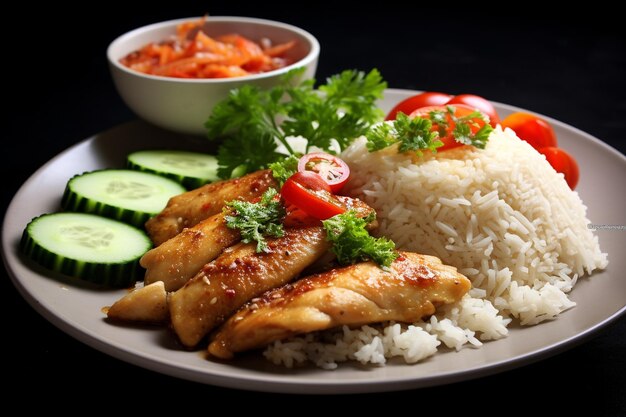
kfoodfair2015.com – Hainanese Chicken Rice is a beloved dish that has captured the hearts and taste buds of food enthusiasts around the world. Originating from Hainan, China, this dish has become a staple in many Southeast Asian countries, particularly Singapore and Malaysia, where it is celebrated as a national dish. The allure of Hainanese Chicken Rice lies in its simplicity and the harmonious blend of flavors and textures it offers.

The Dish: Poached Chicken with Seasoned Rice

At the heart of Hainanese Chicken Rice is the poached chicken. The chicken is gently simmered in a broth that is often infused with ginger and garlic, which imparts a delicate flavor and ensures the meat remains tender and juicy. The chicken is then served at room temperature, enhancing its natural taste and texture.

Accompanying the chicken is a bed of fragrant seasoned rice. The rice is cooked in the same broth used to poach the chicken, which adds a rich, savory depth to each bite. Aromatics like garlic, ginger, and pandan leaves are often used to enhance the rice’s flavor, making it a perfect complement to the succulent chicken.

The Perfect Accompaniments: Chili Sauce and Cucumber

No Hainanese Chicken Rice is complete without its signature chili sauce. This sauce is typically made by blending fresh red chilies, garlic, ginger, lime juice, and chicken broth. It adds a zesty and spicy kick that balances the mildness of the chicken and rice. Additionally, a serving of cucumber slices provides a refreshing contrast, offering a crisp and cool element to the dish.

The Experience: More Than Just a Meal

Hainanese Chicken Rice is more than just a meal; it’s an experience that brings together a symphony of flavors in a single plate. Whether enjoyed at a street food stall or a high-end restaurant, this dish exemplifies the beauty of simplicity in culinary traditions. Its harmonious balance of textures and flavors makes it a timeless favorite for many.

Conclusion

Hainanese Chicken Rice is a testament to the power of simplicity in cooking. By focusing on high-quality ingredients and careful preparation, this dish delivers a satisfying and unforgettable dining experience. Whether you’re a seasoned fan or trying it for the first time, Hainanese Chicken Rice offers a delicious journey into the rich culinary heritage of Southeast Asia.

The Delightful World of Börek: A Flaky Pastry Treat

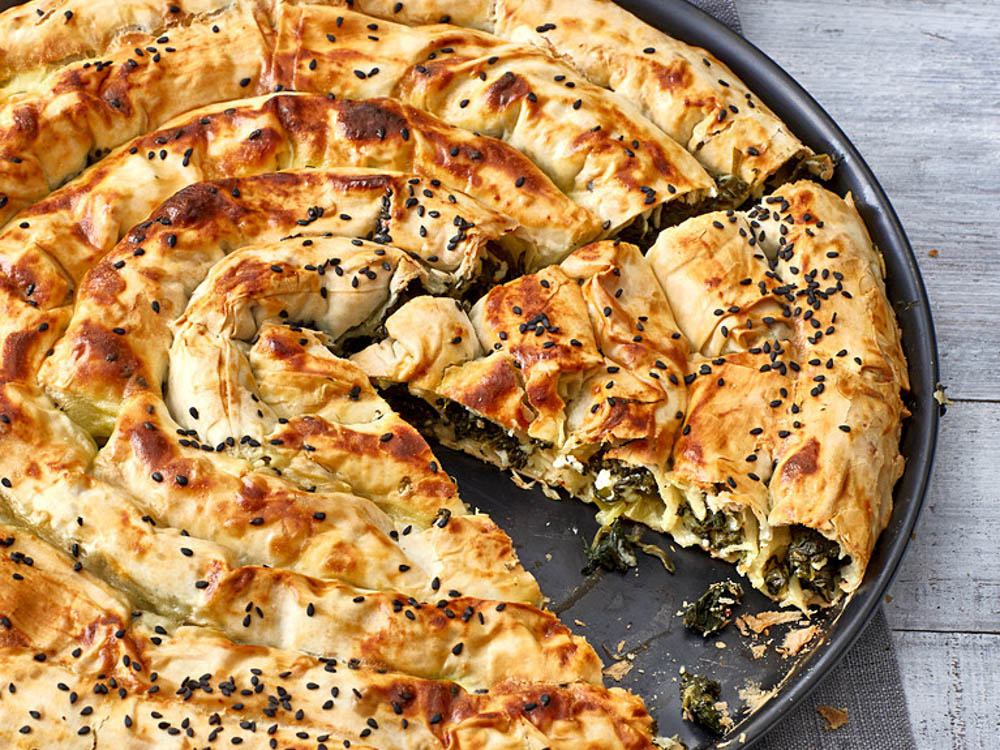
kfoodfair2015.com – Börek is a beloved pastry that has captured the hearts and taste buds of many cultures around the world. Known for its flaky layers and delectable fillings, börek is a versatile dish that can be enjoyed as a snack, appetizer, or even a main course. Let’s dive into the fascinating world of börek and explore its rich history, diverse variations, and mouthwatering flavors.

A Brief History of Börek

Börek has its origins in the Ottoman Empire, where it was first crafted by Turkish chefs using thin layers of dough known as yufka. Over time, börek spread across the regions that were once part of the empire, including the Balkans, the Middle East, and North Africa. Each culture added its unique twist to the dish, resulting in a variety of flavors and styles that we enjoy today.

Ingredients and Preparation

At its core, börek is made from thin layers of dough, similar to phyllo or puff pastry, which are filled with a variety of ingredients. The most common fillings include cheese, spinach, and meat, but there are countless other possibilities, such as potatoes, mushrooms, or even sweet fillings like apples or custard.

Cheese Börek

Cheese börek is perhaps the most popular variation, often filled with a mixture of feta or ricotta cheese and herbs. This version is known for its creamy, savory taste and is perfect for breakfast or as a side dish.

Spinach Börek

Spinach börek offers a healthier twist, combining the earthy flavors of spinach with cheese and spices. It’s an excellent choice for vegetarians and those seeking a nutrient-rich snack.

Meat Börek

For those who crave something heartier, meat börek is filled with seasoned ground beef or lamb. This version is often spiced with onions, garlic, and a blend of aromatic spices, providing a robust and satisfying meal.

Börek Around the World

As börek traveled across borders, it took on various names and adaptations. In the Balkans, it’s known as “burek,” while in Greece, it’s called “bougatsa.” Each region has its unique preparation method and preferred fillings, reflecting local tastes and culinary traditions.

Enjoying Börek Today

Börek can be found in bakeries, street food stalls, and restaurants worldwide. It’s a popular choice for gatherings and celebrations, often served with tea or yogurt. Whether you prefer it savory or sweet, börek is a versatile dish that offers something for everyone.

In conclusion, börek is a testament to the rich culinary heritage of the regions it hails from. Its flaky, golden layers and diverse fillings make it a beloved treat that continues to delight people of all ages. Whether you’re a seasoned börek enthusiast or trying it for the first time, this pastry promises a delightful culinary experience.

Manfaat Cokelat untuk Kesehatan Jantung dan Peredaran Darah

Cokelat, terutama cokelat hitam, telah lama dikaitkan dengan berbagai manfaat kesehatan. Selain menjadi camilan favorit, cokelat juga diketahui mengandung zat-zat yang baik untuk kesehatan jantung dan peredaran darah. Kandungan antioksidan dan nutrisi lainnya menjadikan cokelat hitam sebagai pilihan yang bermanfaat jika dikonsumsi dalam jumlah yang tepat alternatif trisula88. Artikel ini akan mengulas manfaat cokelat untuk kesehatan jantung dan sistem peredaran darah.

1. Kaya Flavonoid untuk Mendukung Fungsi Pembuluh Darah

Flavonoid dalam cokelat, terutama jenis epicatechin dan catechin, berperan sebagai antioksidan yang melindungi sel dari kerusakan akibat radikal bebas.
Senyawa ini membantu menjaga elastisitas pembuluh darah, sehingga mendukung aliran darah yang sehat dan mengurangi risiko tekanan darah tinggi.
Flavonoid juga diketahui meningkatkan produksi nitric oxide (NO), yang membantu melebarkan pembuluh darah dan menurunkan tekanan darah.

2. Mengurangi Risiko Penyakit Kardiovaskular

Konsumsi cokelat hitam dalam jumlah moderat telah dikaitkan dengan penurunan risiko penyakit jantung koroner dan stroke.
Penelitian menunjukkan bahwa antioksidan dalam cokelat dapat menurunkan kadar kolesterol LDL (kolesterol jahat) sekaligus meningkatkan kolesterol HDL (kolesterol baik), sehingga mencegah penyumbatan arteri.

3. Meningkatkan Aliran Darah dan Mencegah Pembekuan

Cokelat dapat memperlancar aliran darah, yang penting untuk menjaga fungsi organ tubuh dan mengurangi risiko aterosklerosis (penebalan pembuluh darah).
Kandungan flavonoid dalam cokelat juga mengurangi risiko pembekuan darah, yang dapat mencegah terjadinya serangan jantung dan stroke mendadak.

4. Mengurangi Tekanan Darah

Beberapa studi menunjukkan bahwa konsumsi cokelat hitam dalam jumlah kecil dapat menurunkan tekanan darah sistolik dan diastolik.
Efek ini terjadi karena peningkatan vasodilatasi, yaitu pelebaran pembuluh darah yang memungkinkan darah mengalir lebih lancar.

5. Menurunkan Peradangan dan Meningkatkan Kesehatan Endotel

Cokelat hitam juga memiliki sifat anti-inflamasi yang membantu mengurangi peradangan dalam tubuh, salah satu faktor risiko utama penyakit jantung.
Selain itu, kandungan flavonoid dapat memperbaiki fungsi endotelium, lapisan pembuluh darah yang sangat penting dalam mengatur tekanan darah dan aliran darah.

6. Memperbaiki Mood dan Mengurangi Stres

Cokelat mengandung serotonin dan memicu pelepasan endorfin, yang dapat membantu mengurangi stres dan meningkatkan suasana hati. Mengurangi stres sangat penting bagi kesehatan jantung, karena stres kronis meningkatkan risiko hipertensi dan penyakit kardiovaskular.
Kandungan teobromin dan kafein dalam cokelat juga berperan dalam memberikan efek stimulan ringan, yang dapat meningkatkan energi dan kewaspadaan.

7. Aturan Konsumsi Cokelat untuk Kesehatan

Untuk mendapatkan manfaat maksimal, pilih cokelat hitam dengan kandungan kakao minimal 70%. Semakin tinggi kandungan kakao, semakin banyak flavonoid yang dikandungnya.
Konsumsi dalam jumlah sedang sangat dianjurkan, yaitu sekitar 20-30 gram per hari, untuk menghindari asupan gula dan kalori berlebih yang dapat berdampak negatif.

Kesimpulan

Cokelat, terutama cokelat hitam, memiliki banyak manfaat bagi kesehatan jantung dan peredaran darah. Kandungan flavonoid, antioksidan, dan nutrisi lainnya membantu menurunkan tekanan darah, memperlancar aliran darah, dan mengurangi risiko penyakit kardiovaskular. Namun, penting untuk mengonsumsinya dalam jumlah moderat dan memilih cokelat dengan kandungan kakao tinggi agar manfaatnya dapat dirasakan tanpa efek samping. Dengan pola makan seimbang dan gaya hidup sehat, cokelat bisa menjadi bagian dari upaya menjaga kesehatan jantung.

The Royal Banquet: A Symphony of Flavors

kfoodfair2015.com – In the realm of culinary experiences, few events can match the grandeur and allure of a royal banquet. These opulent gatherings have long been a symbol of power, wealth, and cultural sophistication, offering an exquisite array of dishes that tantalize the senses and celebrate the art of gastronomy. A royal banquet is not just a meal; it is a meticulously orchestrated symphony of flavors that brings together the finest ingredients, masterful chefs, and timeless traditions.

The Historical Significance

Royal banquets have a rich history that dates back centuries, serving as a platform for monarchs to display their wealth and influence. These feasts were often held to commemorate significant events such as coronations, weddings, and diplomatic victories. The grandeur of the occasion was reflected in the lavishness of the menu, which featured rare and exotic ingredients sourced from distant lands.

The Art of Preparation

The preparation for a royal banquet is an elaborate affair that requires months of planning and coordination. Chefs, often recognized as artists in their own right, are tasked with crafting a menu that not only delights the palate but also tells a story. Each dish is carefully curated to reflect the cultural heritage and culinary diversity of the kingdom, showcasing both traditional recipes and innovative creations.

A Symphony of Flavors

At the heart of a royal banquet is the symphony of flavors that unfolds with each course. The meal begins with an array of appetizers that set the stage for the culinary journey ahead. These bite-sized delights are designed to awaken the senses, offering a preview of the flavors to come.

The main courses are a testament to the culinary prowess of the chefs, featuring a harmonious blend of spices, textures, and aromas. Whether it’s a perfectly roasted game bird, a succulent cut of meat, or a delicate seafood dish, each plate is a masterpiece that celebrates the richness of the land and sea.

Desserts at a royal banquet are a spectacle in their own right, often featuring intricate sugar sculptures, decadent pastries, and luscious fruit arrangements. These sweet creations provide a fitting conclusion to the feast, leaving guests with a lingering sense of indulgence.

The Cultural Impact

Beyond the indulgence, royal banquets play a crucial role in promoting cultural exchange and diplomacy. These gatherings bring together dignitaries, ambassadors, and guests from around the world, providing a unique opportunity to share culinary traditions and foster international relations. The menu at a royal banquet often includes dishes from various cultures, highlighting the kingdom’s openness and appreciation for global influences.

Conclusion

The Royal Banquet: A Symphony of Flavors is more than just a dining experience; it is a celebration of history, culture, and the art of gastronomy. These opulent feasts continue to captivate and inspire, reminding us of the power of food to bring people together and create unforgettable moments. As we savor the flavors of a royal banquet, we are reminded of the timeless beauty and joy that food can bring to our lives.

Conquering the Afternoon Cravings: Midday Munchies

kfoodfair2015.com – The midday munchies are a common phenomenon, striking many of us around the 3 p.m. slump. It’s that irresistible urge to snack, often leading us to reach for less-than-healthy options. But understanding why these cravings occur and how to manage them can help us make better choices and maintain our energy levels throughout the day.

Understanding the Midday Munchies

The term “midday munchies” refers to the intense hunger or cravings that people often experience in the afternoon. This phenomenon can be attributed to several factors, including the natural dip in blood sugar levels, the body’s circadian rhythms, and the psychological habit of looking for a pick-me-up after lunch.

The Science Behind the Cravings

From a physiological standpoint, the midday munchies can be linked to the body’s natural rhythms. After lunch, blood sugar levels tend to drop, signaling the brain to seek out quick energy sources, often in the form of high-sugar or high-fat snacks. Additionally, the body’s circadian rhythms play a role, with a natural dip in energy levels occurring in the early afternoon.

Strategies to Combat the Midday Munchies

  1. Balanced Meals: Starting with a balanced breakfast and lunch that include protein, healthy fats, and fiber can help stabilize blood sugar levels and reduce afternoon cravings.
  2. Stay Hydrated: Sometimes, thirst is mistaken for hunger. Drinking water throughout the day can help curb unnecessary snacking.
  3. Healthy Snacking: If a snack is necessary, choosing options like nuts, fruits, or yogurt can provide sustained energy without the sugar crash.
  4. Regular Meal Times: Eating at regular intervals can help regulate hunger cues and prevent the intense cravings that lead to unhealthy choices.
  5. Mindful Eating: Paying attention to what and when we eat can help us recognize true hunger versus habitual snacking.

The Role of Sleep and Stress

Sleep deprivation and high stress levels can also contribute to the midday munchies. Ensuring adequate sleep and managing stress through techniques like meditation or exercise can help regulate appetite and reduce cravings.

Conclusion

The midday munchies don’t have to derail your healthy eating goals. By understanding the science behind these cravings and implementing strategies to combat them, you can maintain your energy levels and make healthier choices. Remember, it’s all about balance and listening to your body’s needs.

A Culinary Delight: Herbed Parisian Omelet

kfoodfair2015.com – The Herbed Parisian Omelet is a classic French dish that embodies the simplicity and elegance of French cuisine. This omelet is not just a breakfast staple but a versatile dish that can be enjoyed at any time of the day. Its light, fluffy texture and the subtle flavors of fresh herbs make it a favorite among food enthusiasts.

Ingredients and Preparation

To create a Herbed Parisian Omelet, you will need:

  • 3 large eggs
  • Salt and freshly ground black pepper
  • 2 tablespoons of unsalted butter
  • 2 tablespoons of finely chopped fresh herbs (such as chives, parsley, tarragon, or chervil)
  • Optional: Grated cheese, finely diced vegetables, or cooked ham for additional flavor
  1. Beating the Eggs: In a bowl, beat the eggs lightly with a fork or whisk until the yolks and whites are just combined. Season with a pinch of salt and pepper.
  2. Melting the Butter: Heat a non-stick skillet over medium-low heat and add the butter. Swirl the pan to coat the bottom and sides evenly.
  3. Cooking the Omelet: Pour the beaten eggs into the skillet. Let them sit, undisturbed, for a few seconds until they begin to set around the edges. With a spatula, gently stir the eggs, pushing the set edges toward the center and tilting the pan to allow the uncooked eggs to flow underneath.
  4. Adding Herbs: Once the eggs are mostly set but still slightly runny on top, sprinkle the chopped herbs over the omelet. If desired, add grated cheese, diced vegetables, or cooked ham at this stage.
  5. Folding the Omelet: Gently shake the pan to loosen the omelet. With the spatula, fold one edge of the omelet toward the center, then fold the other edge over it, creating a half-moon shape.
  6. Serving: Carefully slide the omelet onto a plate. Serve immediately while it’s still warm and fluffy.

Tips for Perfection

  • Low and Slow: The key to a perfect Parisian omelet is cooking it slowly over low heat. This ensures that the eggs are cooked evenly and remain tender.
  • Freshness is Key: Use the freshest eggs possible for the best texture and flavor. Fresh herbs also make a significant difference, so try to use them whenever you can.
  • Practice Makes Perfect: Making a Parisian omelet is as much an art as it is a science. Don’t be discouraged if your first few attempts aren’t perfect. Practice will help you master the technique.

Conclusion

The Herbed Parisian Omelet is a testament to the beauty of simple, high-quality ingredients prepared with care and precision. Whether you’re a seasoned chef or a novice cook, this dish offers a rewarding experience and a delicious result. Enjoy the process of making it, and savor the flavors of this timeless French classic.

Nutritious Meals for Kids: Little Tummies, Big Flavors

kfoodfair2015.com – Feeding children can sometimes feel like a daunting task, especially when trying to ensure they receive all the necessary nutrients while also appealing to their often picky palates. However, with a bit of creativity and the right approach, you can whip up meals that are both nutritious and delicious, turning mealtime into a delightful experience for your little ones. In this article, we’ll explore some tips and recipes that will help you create “Little Tummies, Big Flavors” meals that are sure to be a hit with the kids.

Understanding Kids’ Nutritional Needs

Before diving into recipes, it’s essential to understand the nutritional needs of children. Growing bodies require a balanced diet rich in vitamins, minerals, proteins, carbohydrates, and fats. However, these nutrients should come from a variety of sources, including fruits, vegetables, whole grains, lean proteins, and dairy or dairy alternatives.

Making Meals Fun and Flavorful

1. Colorful and Creative Presentation

Kids are visual eaters, so making meals visually appealing can encourage them to try new foods. Think about cutting fruits and vegetables into fun shapes or arranging their food into smiley faces or animals on their plates.

2. Involve Them in Cooking

Getting children involved in the cooking process can make them more likely to eat what they’ve helped prepare. Simple tasks like washing vegetables, stirring batters, or sprinkling cheese can make meal preparation a fun family activity.

3. Introduce New Flavors Gradually

If your child is hesitant to try new foods, introduce them gradually. Start by incorporating small amounts of new ingredients into familiar dishes and gradually increase the quantity as they become more accustomed to the flavors.

Nutritious Meal Ideas

1. Rainbow Veggie Quesadillas

  • Ingredients: Whole wheat tortillas, shredded cheese, diced bell peppers, onions, and tomatoes.
  • Preparation: Sauté the vegetables until tender, then layer them with cheese on a tortilla. Cook until the cheese is melted, then fold and serve.

2. Mini Turkey and Cheese Pinwheels

  • Ingredients: Whole wheat tortillas, sliced turkey, cheese, and spinach leaves.
  • Preparation: Spread a thin layer of cream cheese on a tortilla, add the turkey, cheese, and spinach, roll it up, and slice into pinwheels.

3. Sweet Potato and Black Bean Tacos

  • Ingredients: Corn tortillas, mashed sweet potatoes, black beans, avocado, and cheese.
  • Preparation: Warm the tortillas, fill with a mixture of mashed sweet potatoes and black beans, top with avocado and cheese, and serve.

4. Fruit and Yogurt Parfaits

  • Ingredients: Greek yogurt, mixed berries, sliced bananas, and granola.
  • Preparation: Layer yogurt, fruits, and granola in a glass for a delicious and nutritious breakfast or snack.

Conclusion

Creating nutritious meals for kids doesn’t have to be a battle. By focusing on making meals fun, flavorful, and visually appealing, you can encourage your children to develop healthy eating habits that will last a lifetime. Remember, the key is to be patient and persistent, and to involve your kids in the process as much as possible. With these tips and recipes, you’re well on your way to raising little foodies who love their veggies as much as their desserts.

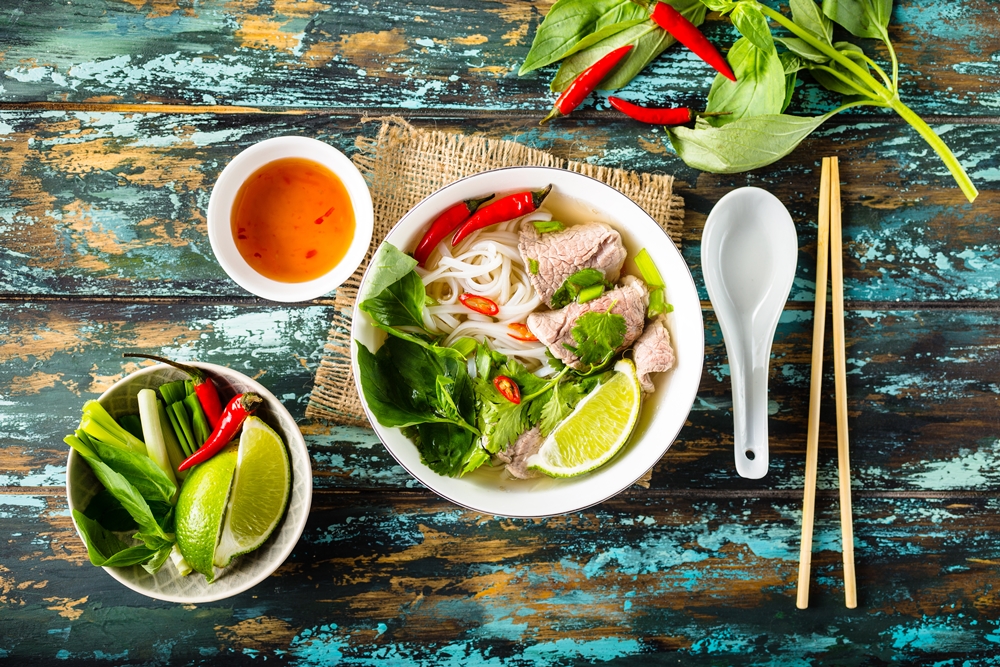
Pho: Vietnam’s Aromatic Noodle Soup

kfoodfair2015.com – Pho, the quintessential Vietnamese noodle soup, is not just a dish; it’s a cultural icon that embodies the soul of Vietnamese cuisine. Originating from the early 20th century, pho has evolved from a simple street food to a beloved comfort meal enjoyed by millions worldwide. Its rich, aromatic broth, paired with tender meat and fresh herbs, offers a symphony of flavors that is both comforting and invigorating.

The History of Pho

The origins of pho are somewhat murky, with various theories suggesting it was influenced by French cuisine during the colonial period or that it evolved from similar soups in northern Vietnam. Regardless of its beginnings, pho quickly became a staple in Vietnamese culinary culture, with each region developing its own variation.

The Making of Pho

At the heart of pho is its broth, which is simmered for hours with beef bones, ginger, and onions to achieve a rich, flavorful base. The broth is then served over rice noodles and accompanied by thinly sliced beef or chicken, depending on the preference. Garnishes such as fresh herbs (cilantro, Thai basil), bean sprouts, lime wedges, and chilies are provided on the side, allowing diners to customize their bowl according to their taste.

Regional Variations

Pho has two main variations: Pho Bac (Northern style) and Pho Nam (Southern style). Northern pho is known for its clear, light broth and the use of white pepper, while Southern pho features a richer, darker broth with more star anise and cinnamon. The choice of meat and the way it’s prepared also vary, with Southern pho often including well-done brisket and tendon, whereas Northern pho might offer rare beef slices that cook in the hot broth.

Pho’s Global Appeal

Pho’s popularity has transcended Vietnam’s borders, becoming a beloved dish in many countries. Its versatility and the balance of flavors make it a favorite among food enthusiasts worldwide. From bustling streets in Hanoi to the vibrant neighborhoods of Saigon, and even in cities like New York, Paris, and Sydney, pho shops are a common sight, each offering their unique take on this classic dish.

The Cultural Significance

Beyond its delicious taste, pho holds significant cultural value. It represents the resilience and adaptability of Vietnamese culture, blending traditional ingredients with foreign influences to create something uniquely Vietnamese. Pho is also a symbol of community and family, often shared among friends and loved ones, fostering a sense of togetherness and warmth.

Conclusion

Pho is more than just a bowl of noodle soup; it’s a testament to the rich culinary heritage of Vietnam. Its aromatic broth, fresh ingredients, and communal spirit encapsulate the essence of Vietnamese cuisine, making it a dish that transcends borders and touches hearts. Whether enjoyed on a chilly morning in Hanoi or a bustling evening in Ho Chi Minh City, pho remains a cherished part of Vietnam’s cultural identity, inviting the world to savor its unique flavors and warmth.